
Sun spots, also known as age spots or liver spots, are a common skin concern for many. While harmless, they can be a cosmetic bother and might detract from your complexion. Fortunately, experts have developed several effective methods to tackle these pesky blemishes. From natural remedies to advanced dermatological procedures, this blog explores ten amazing techniques to help restore your skin’s natural glow. Let’s dive into these expert-recommended solutions!
1. Harnessing the Power of Vitamin C
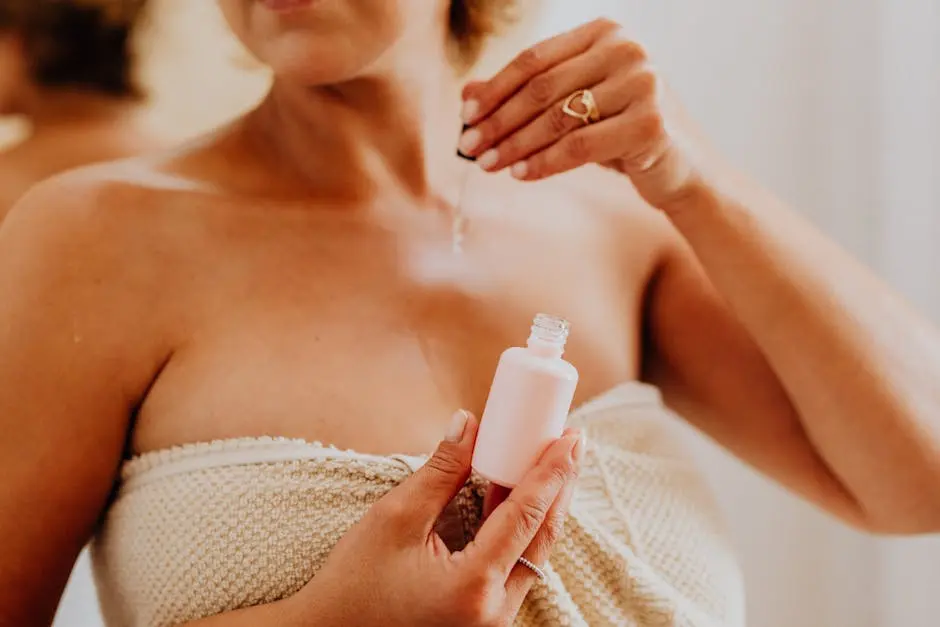
Vitamin C is renowned for its skin-brightening capabilities. This powerful antioxidant helps reduce pigmentation and enhances skin radiance by inhibiting melanin production. Incorporating a vitamin C serum into your skincare routine can significantly diminish the appearance of sun spots over time.
Beyond just fading sun spots, vitamin C also protects the skin from environmental stressors, leading to a more resilient and vibrant appearance. When applied consistently, users often notice a reduction in hyperpigmentation and an overall improvement in skin texture. It’s important to remember that results vary depending on individual skin types and conditions, but the overwhelming consensus supports its efficacy.
2. The Magic of Retinoids
Retinoids, a derivative of vitamin A, are a dermatologist favorite for treating a range of skin issues, including sun spots. They promote cell turnover and stimulate collagen production, helping to fade spots and improve overall skin texture. Regular application can lead to visible improvements.
The beauty of retinoids lies in their ability to not only address sun spots but also enhance the overall complexion. A nightly routine involving retinoid creams can gradually reveal healthier, more youthful skin. However, for those new to retinoids, patience is essential as skin will typically undergo an adjustment period. It’s always advisable to start with a lower concentration to minimize potential irritation, consulting with a dermatologist on the best way forward.
3. Chemical Peels for Flawless Skin
Chemical peels use acid solutions to exfoliate the skin, peeling away the upper layers to reveal fresher skin beneath. They are highly effective in removing hyperpigmentation, including sun spots, resulting in a more even skin tone. Always seek professional advice to determine the best type of peel for your skin.
There are different types of chemical peels—ranging from light to deep—each catering to various levels of skin concern. Whether it’s a gentle glycolic peel to refresh the surface or a TCA peel for more profound sun damage, the right choice can enhance your skin’s smoothness remarkably. Post-peel care is crucial, as your skin becomes more sensitive and needs proper hydration and protection from UV exposure.
4. Laser Therapy: Precision and Efficiency
Laser treatments are a high-tech solution for sun spot removal. They work by targeting and breaking down the pigment particles within the spots, allowing them to fade away. This option is ideal for those seeking quick results and can effectively treat even stubborn spots.
While laser therapy promises rapid outcomes, understanding the nuances of different laser types can help in decision-making. Fractional lasers, for instance, focus on treating segments of skin, causing fewer side effects compared to fully ablative lasers which remove entire layers of skin. Depending on personal preferences and specific skin conditions, lasers offer an efficient path toward clearer skin, but should be performed by seasoned professionals to ensure safety and efficacy.
5. Microdermabrasion for a Softer Glow
Microdermabrasion is a minimally invasive procedure that gently sands your skin, removing the thicker, uneven outer layer. This treatment is useful for improving sun damage and other skin-related concerns, fostering a brighter and smoother complexion.
The allure of microdermabrasion lies in its ability to rejuvenate without downtime, making it an attractive option for those with busy lifestyles. The treatment can be complemented with nourishing serums post-session to maximize results. Consistency with routine appointments can maintain a luminous glow, effectively addressing not only sun spots but dullness and acne scars as well.
6. Embracing Natural Remedies
For those who prefer a natural approach, remedies like aloe vera, apple cider vinegar, and green tea offer gentle alternatives. These ingredients have anti-inflammatory properties and can lighten sun spots with consistent use. They’re perfect for a soothing, at-home treatment.
Delving into kitchen remedies can be a delightful journey, particularly for those cautious about synthetic products. The gentle acids in apple cider vinegar act as natural exfoliants, whereas antioxidants in green tea rejuvenate and protect the skin. It’s pivotal to perform a patch test before embarking on any new remedy to ensure the absence of adverse reactions. Patience and consistency are the keys when opting for natural solutions.
7. Hydroquinone: The Skin Lightening Agent
Hydroquinone is a bleaching agent used to lighten hyperpigmentation. Often recommended by dermatologists, this treatment inhibits the enzyme responsible for melanin production, leading to a reduction in sun spots’ appearance. Due to its potency, it’s advisable to use it under professional supervision.
Selecting hydroquinone requires a guided approach, as misapplication can lead to more skin problems. Dermatologists typically suggest intermittent use to avoid potential side effects like skin irritation or ochronosis with long-term usage. As you embark on this treatment, maintaining adequate moisture and sun protection ensures upheld benefits while stabilizing hyperpigmentation.
8. The Benefits of Niacinamide
Niacinamide, or vitamin B3, is celebrated for its anti-inflammatory and brightening properties. It helps reduce redness, improve skin elasticity, and lighten dark spots caused by sun exposure, making it a versatile addition to any skincare regimen.
Incorporating niacinamide into your skincare routine introduces an all-round performer that boosts the skin’s resilience and mitigates damage across the board. Its gentle formulation makes it suitable for all skin types, even sensitive skin. Partnering well with other ingredients like hyaluronic acid or peptides, niacinamide works best when layered after cleansing and before heavier creams, building a comprehensive shield against aggressors.
9. Cryotherapy: Freezing Sun Spots Away
In cryotherapy, liquid nitrogen is used to freeze and eliminate sun spots. This quick procedure leads to spots peeling off over time. It’s a reliable method for tackling isolated spots and requires professional administration for safe and effective results.
Cryotherapy represents an efficient avenue for those ready to bid adieu to sun spots swiftly. Operating on the principle of controlled destruction, this treatment necessitates caution and expertise, as improper handling might damage surrounding skin tissue. Post-treatment, it’s common to experience temporary redness or swelling that resolves as the spots eventually flake away, revealing clearer skin.
10. Broad-Spectrum Sunscreen: Prevention is Key
Protecting your skin is crucial in preventing new sun spots from forming. A broad-spectrum sunscreen shields your skin from harmful UV rays, preserving your skin tone and reinforcing the effects of any sun spot removal treatments you choose.
Sunscreen serves as the frontline defense against the sun’s relentless rays. A daily habit of applying a high SPF, broad-spectrum formula can dramatically reduce the risk of additional sun damage, promoting long-term skin health. Consistent usage prolongs the results of various sun spot treatments, offering protection around the clock. Remember to reapply every two hours during prolonged exposure to maintain optimal coverage.