
Laser hair removal is a popular cosmetic procedure that offers long-lasting results for unwanted hair. However, its effectiveness and safety can vary based on individual skin types. In this FAQ, we’ll delve into how laser hair removal works and what to consider for different skin types.
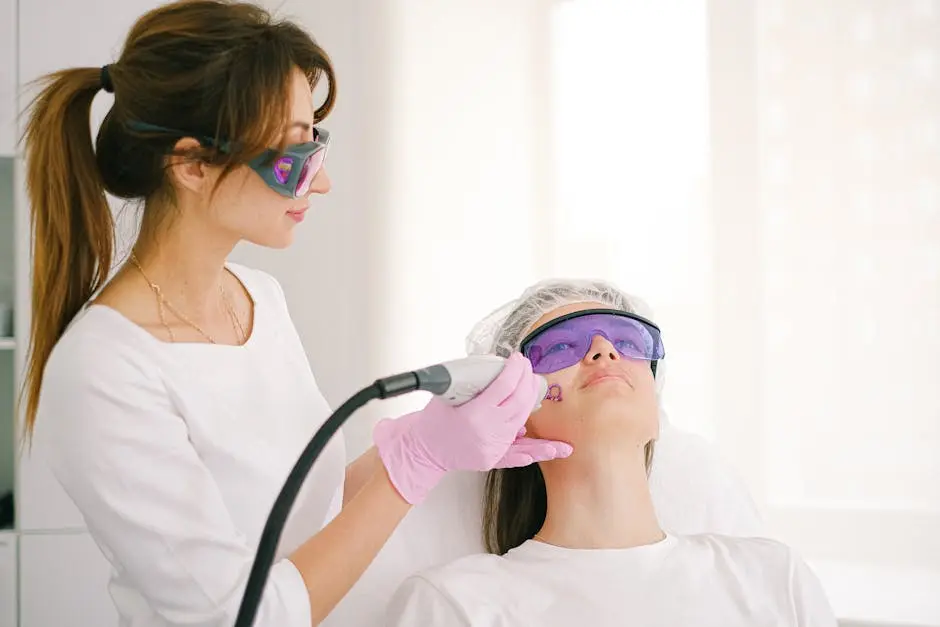
What is Laser Hair Removal?
Laser hair removal is a procedure that uses concentrated beams of light to target and destroy hair follicles. This method is known for its precision and the ability to provide lasting hair reduction over multiple sessions.
The appeal of laser hair removal lies in its ability to selectively target dark, coarse hairs without damaging the surrounding skin. This precision makes the procedure a preferred choice for those seeking a long-term solution to hair removal.
While waxing and shaving provide temporary solutions, laser hair removal offers a more lasting effect, reducing the need for frequent maintenance and saving time in the long run.
How Does Laser Hair Removal Work?
The laser emits light that is absorbed by the pigment, or melanin, in the hair. This heat damages the hair follicle, inhibiting future growth. The treatment is typically repeated over several sessions to effectively target all hair during its growth cycle.
It’s important to understand the hair growth cycle when considering laser hair removal. Hair grows in cycles, and the laser is most effective during the growth phase, known as the anagen phase. This is why multiple sessions are necessary to catch all active hair follicles.
Advances in laser technology have made this procedure safer for various skin types, extending the benefits of laser hair removal to a broader audience. Recent improvements allow for better differentiation between skin and hair pigment, reducing risks associated with the treatment.
Effects on Different Skin Types
Laser hair removal can have varying effects depending on skin type, mainly due to the variation in melanin levels. Generally, the procedure is more effective for individuals with light skin and dark hair, but advances in technology have improved outcomes for other skin types.
For individuals with darker skin tones, choosing a laser with a longer wavelength, like the Nd:YAG laser, is advisable. This type of laser penetrates deeper into the skin and bypasses melanin in the epidermis, minimizing the risk of skin damage.
Meanwhile, individuals with lighter skin and darker hair combinations may experience quicker and more effective results due to the clear contrast between skin and hair color, allowing lasers such as the Alexandrite to work optimally.
Choosing the Right Laser for Your Skin Type
Different types of lasers are suited for different skin types. For example, the Nd:YAG laser is often recommended for darker skin tones, while the Alexandrite laser works well for lighter skin tones. Consulting with a professional can help determine the best laser for your needs.
The diode laser is another option that can be effective across a spectrum of skin types but is particularly suited for lighter to medium skin tones. This versatility makes it a popular choice in many professional settings.
Ensuring optimal results involves personalized consultation with skilled technicians who understand skin and hair dynamics. This interaction is critical in selecting the right laser type and developing a customized treatment plan.
Pre-Treatment Considerations
Before undergoing laser hair removal, it’s important to prepare the skin properly. This includes avoiding sun exposure, certain skincare products, and discussing medical history with a qualified technician to minimize side effects and ensure effective treatment.
Patients should also refrain from plucking or waxing the area at least a month before treatment, as these methods temporarily remove the hair root targeted by the laser. Shaving is permissible as it leaves the root intact.
Engaging in a pre-treatment consultation can help set realistic expectations and tailor the process to individual needs, highlighting any potential risks or necessary precautions unique to your skin type.
Post-Treatment Care for Optimal Results
Post-treatment care is crucial for preventing complications and promoting healing. This may include using soothing lotions, avoiding sun exposure, and following specific guidelines provided by your technician to enhance results.
After laser treatment, the skin might appear slightly red and swollen, similar to a mild sunburn. Applying ice packs and over-the-counter soothing agents can help alleviate discomfort and speed up recovery.
Following a post-care routine not only ensures quicker recovery but also enhances the results of each session, maximizing the overall effectiveness of the laser hair removal process.
Navigating Laser Hair Removal for Your Skin Type
Understanding how laser hair removal interacts with various skin types is crucial for anyone considering the procedure. By consulting with a professional and following tailored recommendations, you can achieve the best results safely and effectively.