
Living with rosacea can be challenging, with its persistent redness and discomfort. However, many treatments available today can help manage symptoms and improve your skin’s appearance. In this blog, we’ll explore some of the most effective rosacea treatments that people trust and recommend.
1. Gentle Skincare Routine
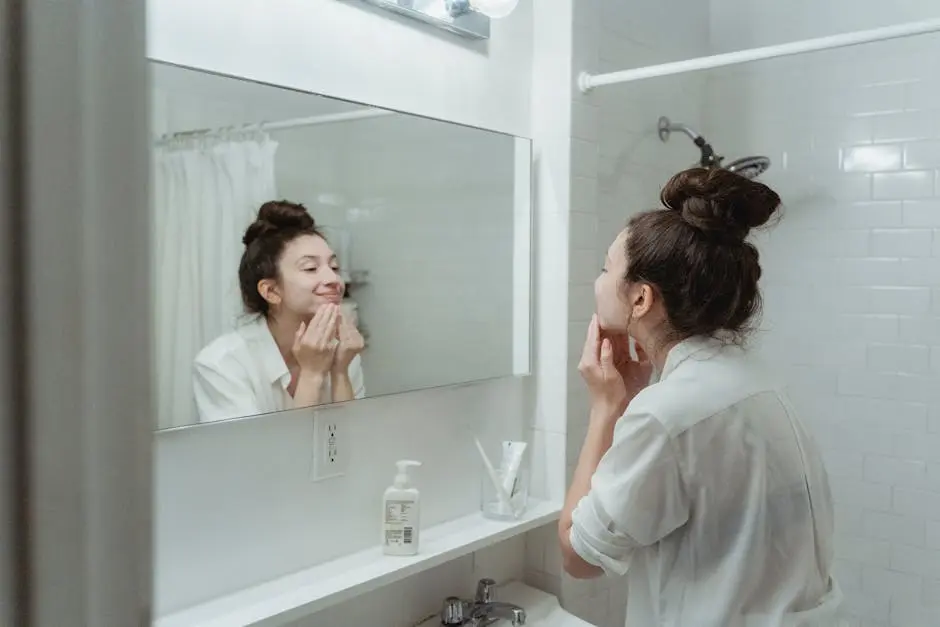
Starting with a gentle skincare routine is crucial for rosacea management. Use mild, fragrance-free cleansers and moisturizers to keep your skin calm and hydrated. A minimalistic approach to skincare routines can help reduce the burden on your sensitive skin. Opt for products that contain soothing ingredients like chamomile, green tea, and aloe vera. These natural components are known for their anti-inflammatory properties and can provide a cooling sensation to inflamed skin. Remember, consistency is key. Form a simple routine that you can adhere to daily, morning and night. Doing so not only helps control potential triggers but also enhances the resilience of your skin’s natural barrier.
2. Topical Antibiotics
Topical antibiotics, such as metronidazole, can be highly effective in reducing inflammation and redness associated with rosacea. These treatments are applied directly to the skin and work by controlling bacterial growth. Metronidazole, in particular, is a favorite among dermatologists for its ability to soothe the skin without causing significant side effects. It’s important to follow the prescribed application schedule to achieve the best results. Overuse or improper application might lead to skin irritation or reduced effectiveness. Always consult with a healthcare provider to tailor a regimen specifically suited to your condition.
3. Oral Antibiotics
For more severe cases, oral antibiotics may be prescribed. These work from within the body to tackle inflammation and improve symptoms over time. Commonly prescribed oral antibiotics for rosacea include tetracyclines such as doxycycline and minocycline. These antibiotics help reduce redness and the number of pimples while controlling skin inflammation. It’s essential to adhere to your doctor’s dosage instructions to avoid potential side effects such as an upset stomach or increased sensitivity to sunlight. Combining these medications with a daily skincare routine can result in significant improvements in the skin’s condition over several weeks.
4. Laser Therapy
Laser therapy has gained popularity as a modern solution for minimizing the redness associated with rosacea. It targets visible blood vessels and can lead to significant improvements in skin appearance. Procedures like Pulsed Dye Laser (PDL) or Intense Pulsed Light (IPL) therapy specifically aim to reduce flushing and burst blood vessels. While effective, multiple sessions might be needed to achieve the desired outcome. It’s a non-invasive treatment with minimal downtime. However, one should always seek treatment from experienced professionals to mitigate risks and ensure the best possible results.
5. Dietary Adjustments
Dietary changes can significantly influence rosacea symptoms. Certain foods and beverages, including spicy foods, alcohol, or caffeinated drinks, might trigger flare-ups. Keeping a food diary can help identify specific dietary triggers unique to you. Once identified, make efforts to minimize or eliminate these from your diet. Incorporate anti-inflammatory foods such as leafy greens, nuts, and fish rich in omega-3 fatty acids. Staying hydrated is also vital, so make sure to drink plenty of water throughout the day. This helps in flushing out toxins and keeps your skin cells nourished.
6. Anti-Redness Cosmetics
Using cosmetics designed to combat redness can be a confidence booster for those managing rosacea. Green-tinted creams or foundations work to neutralize redness, resulting in a more even and natural-looking skin tone. When choosing cosmetics, look for products free from parabens, sulfates, and fragrances that can irritate sensitive skin. Incorporating cosmetics with added benefits, like SPF, can also provide sun protection, crucial for those affected by rosacea. Experiment with different products to find what offers the best coverage and comfort without causing additional irritation.
7. Sun Protection
Sun exposure can exacerbate rosacea symptoms, making the application of sunscreen a vital part of any skincare routine. Choose a broad-spectrum sunscreen with at least SPF 30, specifically formulated for sensitive skin, ensuring it does not contain irritants like fragrance or alcohol. Daily application is necessary even on cloudy days, as UV rays can penetrate through clouds and still affect the skin. Wearing protective clothing and seeking shade during peak sunlight hours can further safeguard against rosacea flare-ups. Maintaining a habit of sun protection not only aids in managing rosacea but also supports overall skin health.
8. Stress Management
Stress is a well-known trigger for rosacea flare-ups. Managing stress through various techniques can thus be beneficial. Practices like yoga and meditation have shown promising results in promoting relaxation and reducing stress levels. Regular physical activity, tailored to what you enjoy, can also act as an effective stress reliever. Developing hobbies or engaging in social activities can distract the mind from stressors. Lastly, ensuring adequate rest and sleep is fundamental in maintaining both mental and physical health, reducing the overall impact of stress on your skin condition.
9. Avoiding Skincare Irritants
Avoiding common irritants in skincare products is a proactive step towards managing rosacea effectively. Ingredients like alcohol, menthol, and fragrance can further inflame already sensitive skin. Opt for products labeled hypoallergenic or for sensitive skin, which tend to have a gentler formulation. Conducting a patch test before trying new products can prevent potential reactions. Keep your skincare routine uncomplicated, using only essential products that your skin reacts well to. This careful approach helps maintain a calm complexion and reduces the frequency and intensity of rosacea symptoms.
10. Brimonidine Gel
Brimonidine gel offers a targeted approach to managing redness in rosacea sufferers. This prescription gel works by constricting blood vessels, thereby reducing visible redness temporarily. Applied once daily, typically in the morning, the effects can last for several hours. While effective, it’s essential to use brimonidine gel under the supervision of a dermatologist to tailor its use to individual skin needs. It’s worth noting that some users might experience increased redness or irritation during initial applications, which often decreases with continued use.
11. Niacinamide Serums
Niacinamide, a form of vitamin B3, has grown in popularity due to its soothing properties and ability to enhance the skin’s barrier function. For those with rosacea, niacinamide serums can help reduce the appearance of redness and improve overall skin texture. It is typically well-tolerated, even by sensitive skin, and can be incorporated into daily routines both morning and evening. Over time, niacinamide can also help minimize enlarged pores and regulate the skin’s oil production, further benefiting those dealing with rosacea.
12. Azelaic Acid
Azelaic acid is an effective treatment option for rosacea due to its ability to clear up visible pores, reduce swelling, and decrease redness. It works by inhibiting the growth of specific bacteria and decreasing keratin production, which can block pores. Available in various concentrations, azelaic acid can be incorporated into both prescription and over-the-counter skincare formulations. Consistent use can lead to noticeable improvements in skin clarity and texture. However, users might experience mild tingling or burning sensations initially, making it crucial to introduce the acid gradually into one’s routine.
13. Proper Makeup Removal
Proper makeup removal is key to preventing irritation and keeping your skin healthy and calm. Choose gentle makeup removers or natural oils like jojoba or almond oil to dissolve makeup without stripping the skin of its natural moisture. Ensure you clean all remnants of makeup before bedtime to allow your skin to breathe and regenerate overnight. Following up with a gentle cleanser can further ensure all debris and potential irritants are washed away. This effective cleaning step helps maintain skin clarity and reduces the risk of flare-ups associated with leftover cosmetic residues.
14. Humidifier Usage
Maintaining adequate hydration levels in your environment can play a significant role in managing rosacea. Utilization of a humidifier is one effective way to add moisture to the air, which prevents the skin from drying out, particularly in colder months or climates with low humidity. This added moisture can help minimize the risk of rosacea flare-ups and support overall skin hydration. Consider placing a humidifier in areas where you spend the most time, like your bedroom or office, for ongoing benefits. Regular cleaning and maintenance of the humidifier will ensure that it continues to function optimally without harboring mold or other allergens.
15. Consulting a Dermatologist
Ultimately, consulting with a dermatologist is key. They can provide a personalized treatment plan suited to your specific needs and skin type. A dermatologist can evaluate your skin condition thoroughly, considering all underlying factors that might contribute to rosacea flare-ups. Their expertise not only helps in selecting the right medications and treatments but also offers guidance on lifestyle adjustments. Routine follow-ups can monitor progress and make necessary adjustments, ensuring a tailored approach to your skincare. Regular consultation ensures the best possible management of rosacea, enhancing skin health in the long run.