
Are you struggling with rosacea in Dearborn, Michigan? You’re not alone. This skin condition can be both frustrating and challenging to manage. Thankfully, there are several treatments available that can help alleviate symptoms and improve your skin’s appearance. Let’s explore some of the options that might be right for you.
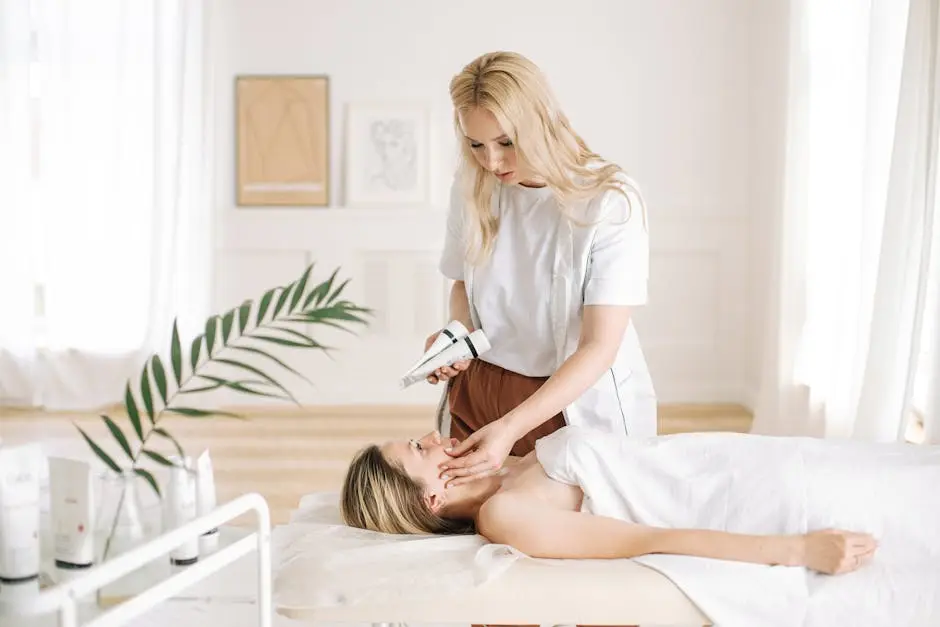
1. Topical Treatments to Soothe Inflammation
Topical creams and gels are often the first line of defense against rosacea. These treatments work by reducing inflammation and redness directly on the skin. Metronidazole and azelaic acid are some of the commonly prescribed topical treatments. They help control the dilation of blood vessels, reducing the flushed appearance often associated with rosacea. In addition, proper application technique is crucial to enhancing their effectiveness—opt for a gentle, consistent application across problem areas.
Consider incorporating green tea extract into your routine, as it offers anti-inflammatory benefits that can soothe irritation. The antioxidants found in green tea not only calm inflamed skin but also help protect against environmental stressors, which can exacerbate rosacea.
2. Laser Therapy for Visible Results
For those seeking more immediate results, laser therapy can effectively reduce visible blood vessels and redness associated with rosacea. Utilizing intense pulsed light (IPL) therapy, this treatment targets the dilated blood vessels beneath the skin, reducing their appearance and improving the overall complexion. Patients often notice a significant improvement after several sessions, making it a viable option for those who have not responded to topical treatments.
Although effective, it’s crucial to consult with a skilled dermatologist to assess your skin’s condition and determine the best course of action. In Dearborn, several clinics offer this treatment with experienced professionals ready to guide you through the journey.
3. Antibiotics for Anti-Inflammatory Effects
Certain antibiotics can help manage rosacea by providing anti-inflammatory benefits, making them a common recommendation by dermatologists. Medications such as doxycycline not only target secondary bacterial infection but also work at a lower dose to reduce inflammation and skin redness. It’s essential to follow a doctor’s guidance regarding dosage and duration to avoid potential side effects.
Given that antibiotics can impact gut health, some practitioners recommend probiotics in conjunction to maintain a healthy balance, showcasing a holistic approach to managing rosacea.
4. Oral Medications for Severe Rosacea
In cases of severe rosacea, oral medications might be necessary to control inflammation and manage flare-ups effectively. Isotretinoin, commonly known by its brand name Accutane, is one such medication that may be considered for persistent, severe cases. It is potent and usually reserved for individuals who haven’t responded to other treatments. Effectively managing these medications with the guidance of specialists ensures both efficacy and safety.
5. Gentle Skin Care Products
Using gentle, non-irritating skin care products can help minimize irritation and support other treatments in your skincare routine. Opt for fragrance-free cleansers and moisturizers to avoid potential triggers. Identifying suitable products designed specifically for sensitive skin can help manage rosacea symptoms while maintaining the skin’s natural barrier.
6. Natural Remedies and Home Treatments
For those who prefer a more natural approach, several home remedies can be effective, such as oatmeal masks or aloe vera applications. Oatmeal has soothing properties that can reduce itching and discomfort. Similarly, aloe vera gel can cool the skin, offering relief from the burning sensation often experienced by rosacea patients.
7. Light Therapy as an Innovative Option
Light therapy is gaining popularity as a non-invasive way to reduce redness and inflammation in rosacea patients. Devices such as red and yellow LED lights penetrate deep into the skin, where they can calm inflamed blood vessels. According to dermatologists, this approach can be particularly beneficial when combined with other established treatments.
8. Dietary Adjustments and Triggers
Identifying and avoiding dietary triggers can play a crucial role in managing rosacea symptoms over time. Common culprits include spicy foods, alcohol, and hot beverages. Tracking your meals and symptoms with a food diary can help identify specific triggers, enabling more precise dietary adjustments.
9. Stress Management Techniques
Since stress can exacerbate rosacea, adopting stress management techniques like yoga or meditation can be beneficial. Engaging in regular mindfulness practices can stabilize mind-body equilibrium, potentially reducing flare-ups triggered by stress.
10. Consultation with a Dermatologist
Working closely with a dermatologist can help tailor a treatment plan that is specific to your skin type and condition. Dermatologists bring expertise in diagnosing and treating rosacea with personalized strategies. Regular consultations ensure appropriate modifications are made as needed to your skincare regime.
11. Sun Protection Strategies
Sun exposure can worsen rosacea symptoms, so using sunscreen and wearing protective clothing is essential. Choose physical sunscreens containing zinc oxide or titanium dioxide, which are recommended for sensitive skin. Remember to apply generously and reapply throughout the day to maintain effective protection.
12. Hydration and Skin Moisturizing Goals
Keeping your skin hydrated and moisturized is crucial for maintaining a healthy skin barrier and preventing rosacea flare-ups. Adequate hydration, both internally through consuming water and externally via appropriate moisturizers, helps preserve skin elasticity and comfort—critical elements when managing rosacea symptoms.
13. Rosacea Support Groups in Dearborn
Joining a support group can provide emotional support and shared experiences, which can be comforting for those dealing with chronic skin conditions. Connecting with others who understand the challenges faced can offer insights into effective management techniques and foster a sense of community.
14. Exploring Alternative Medicine Options
Some individuals explore alternative medicine, including acupuncture or herbal supplements, to complement traditional treatments. While scientific research on these approaches is still growing, many have found relief through these alternative therapies.
15. Lifestyle Habits for Long-Term Management
Incorporating healthy lifestyle habits, such as regular exercise and adequate sleep, can contribute to overall skin health and manage rosacea over the long term. Emphasizing wellness in all areas of life is crucial, as it fosters resilience and aids in controlling a multi-factorial condition.