
Laser hair removal has become an increasingly popular method for achieving smooth, hair-free skin. If you’re curious about how this innovative technology works and what to expect, you’ve come to the right place. Let’s dive into the fascinating world of laser treatments for hair removal.
What is Laser Hair Removal?
Laser hair removal is a medical procedure that uses a concentrated beam of light (laser) to remove unwanted hair. During the procedure, the laser emits a light that is absorbed by the pigment (melanin) in the hair. The light energy is converted to heat, which damages the tube-shaped sacs within the skin (hair follicles) that produce hairs. This damage inhibits or delays future hair growth.
What makes laser hair removal so appealing is its precision. The lasers can selectively target dark, coarse hairs while leaving the surrounding skin undamaged. Each pulse of the laser takes a fraction of a second and can treat many hairs at the same time. Small areas such as the upper lip can be treated in under a minute, whereas larger areas may take up to an hour.
How Does Laser Treatment Process Work?
The laser treatment process generally begins with a consultation. During this session, your specific needs and expectations are discussed, and a tailored treatment plan is developed. It’s also a great opportunity to ask any questions you might have.
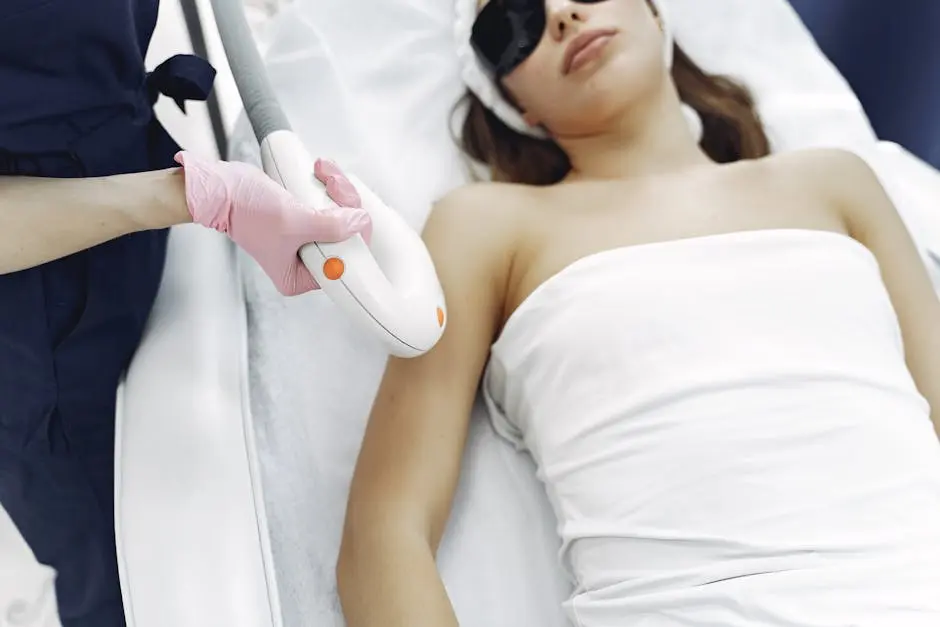
On the day of the treatment, the area to be treated must be clean and free of any cosmetics. You might be given protective eyewear to shield your eyes from the laser light. A cooling device or gel will be applied to your skin to help reduce discomfort and protect the outer layers of your skin.
Next, the technician will use a handheld device to direct laser light onto the treatment area. The sensation can feel like a rubber band snapping against the skin, but the process is quick. Depending on the size of the treatment area, the session length can vary from a few minutes to over an hour.
After the procedure, you may be given cold compresses or anti-inflammatory lotions to soothe any discomfort. Within the next few days, the treated area may feel sunburned and, eventually, the unwanted hairs will fall out naturally.
Are There Any Side Effects?
While laser hair removal is generally safe, like any procedure, it does come with potential side effects. Common side effects include temporary skin irritation and redness, which usually subside within a few hours.
Less common side effects include blistering, crusting, scarring, or changes in skin texture. These are rare, especially when the procedure is performed by a certified professional. It’s crucial to follow aftercare instructions to minimize the risk of complications.
Who Can Undergo Laser Hair Removal?
Laser hair removal works best on individuals with light skin and dark hair because the laser targets the pigment in the hair. However, advancements in technology have made this procedure accessible to those with darker skin tones as well.
Those with blonde, grey, white, or red hair may not see the same results, as these hair colors lack the pigment needed to attract the laser. It’s important to have a consultation beforehand to determine if you are a suitable candidate and to discuss any potential alternatives.
Preparing for Your Laser Treatment
Preparing properly for your treatment can make a significant difference in the outcomes. Before your session, avoid sun exposure and tanning for several weeks as tanned skin can increase the risk of side effects.
You should also avoid plucking, waxing, and electrolysis for at least six weeks before treatment. These hair removal methods can disturb the hair follicle, which is what the laser targets.
Shaving is recommended a day prior to the treatment since it removes the hair above the skin while leaving the hair shaft intact, allowing the laser to effectively target the follicles.
What to Expect After the Treatment
Post-treatment care is crucial to achieving the best results. Immediately after the procedure, there might be some redness or swelling similar to a mild sunburn, which can be alleviated with cool compresses and moisturizing lotions.
Avoid sun exposure and use broad-spectrum SPF30 sunscreen on treated areas to prevent temporary changes in the color of the treated skin. Hair shedding can occur within a few days to a week and may look like new hair growth, but it’s not.
Follow-up treatments are generally scheduled every four to six weeks. Multiple sessions are needed for optimal results due to the different stages of hair growth cycles.
Bringing It All Together: Your Guide to Laser Hair Removal
Understanding how laser treatments work for hair removal empowers you to make informed decisions about whether this method is right for you. With knowledge of the process, possible side effects, and necessary preparations, you can approach laser hair removal with confidence and achieve the best results. For those ready to embark on this journey, Adorn Medspa is here to assist you every step of the way.