
Achieving radiant, glowing skin might seem like a lofty goal for many, but advances in dermatological science have made this skincare dream more attainable than ever. Laser treatments offer a promising solution for those looking to rejuvenate their skin and address a variety of skin concerns. In this blog, we will explore the essentials of laser treatments and how they can pave the way to healthier, more radiant skin.
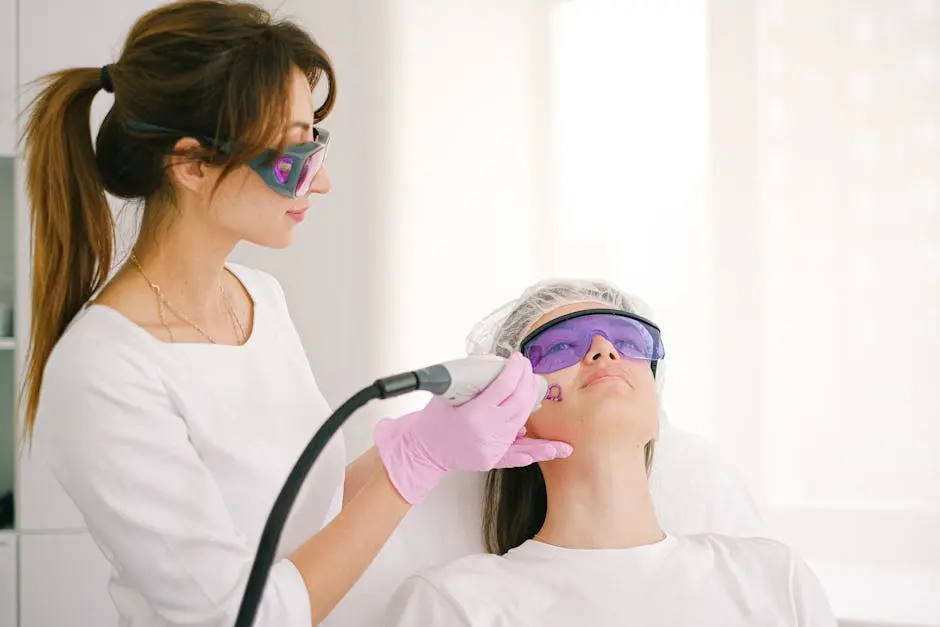
Understanding Laser Treatments for Skin
Laser treatments harness the power of focused light to address various skin issues, from wrinkles and discoloration to acne scars. Understanding how these treatments work is the first step in deciding if they’re right for you.
The fundamental principle behind laser treatments lies in the concept of selective photothermolysis. This means that the laser delivers light pulses that are absorbed by specific pigments or water in the skin, leaving surrounding tissues unharmed. Different types of lasers are used depending on the skin concern being treated. Laser treatments can be categorized by their depth of penetration and the specific skin problems they target. For example, non-ablative lasers focus on the dermal layer to stimulate collagen production, whereas ablative lasers remove the outer layers of skin, making them ideal for deeper resurfacing.
Beyond the mechanics, it’s important to recognize the nuanced benefits of laser treatments. These procedures offer a non-invasive option for addressing skin issues that traditional topical solutions can’t effectively treat. For instance, lasers can precisely focus on small areas of the skin, making them ideal for treating delicate regions such as the eyelids. Moreover, unlike some chemical treatments that might be harsh, laser therapy is often less painful and requires minimal recovery time. Regular sessions can lead to dramatic improvements in skin texture and tone, contributing to a more youthful and healthy appearance.
Types of Laser Treatments and Their Benefits
There is a range of laser treatments available, each designed to target specific skin concerns. From ablative lasers that remove layers of skin to non-ablative lasers that stimulate collagen production, each type offers unique benefits.
Diving deeper into the types of laser treatments, we mainly find two categories: ablative and non-ablative lasers. Ablative laser treatments like CO2 and erbium lasers effectively remove layers of damaged skin. These treatments are typically used for skin resurfacing, correcting severe sun damage, and addressing deep wrinkles. Non-ablative lasers, including Nd:YAG and diode lasers, focus on the deeper layers of the skin to encourage collagen production. They are excellent for treating skin elasticity issues, minimizing enlarged pores, and fading superficial scars. These lasers provide a subtle but steady improvement, often referred to as the ‘lunchtime procedure’ due to their minimal downtime.
Fractional lasers represent a hybrid approach, targeting only a fraction of the skin at a time. This significantly reduces downtime while still delivering impactful results, such as reducing fine lines and improving skin texture. Experts have further tailored innovations in laser technology to meet various skin tones and sensitivity levels, ensuring that a broader audience can safely benefit from the procedure. Adapting the right type of laser treatment to individual needs is crucial for achieving the desired results with minimal side effects.
Who Can Benefit from Laser Treatments?
Laser treatments can benefit a wide array of individuals, whether you’re dealing with age-related concerns or seeking to eliminate scars and pigmentation. Discover who is the ideal candidate for laser procedures.
Anyone experiencing persistent skin issues that haven’t responded to traditional treatments may find laser therapies particularly beneficial. For people struggling with acne scars, hyperpigmentation, or sun damage, laser treatments offer a targeted solution that can deliver visible results. Notably, those aiming for anti-aging benefits, such as reducing the appearance of fine lines and improving skin firmness, can also see marked improvements. Laser therapies provide an option for individuals looking to revitalize their appearance without invasive surgery.
It’s also worthwhile for those who have faced challenges with skin texture or tone to consider laser treatments. These treatments can target specific concerns like rosacea, eliminating the redness and visible blood vessels associated with the condition. However, not everyone is a suitable candidate. Those with active skin infections or specific skin types need a thorough evaluation before proceeding. It’s crucial for anybody considering laser treatments to consult a qualified dermatologist to assess their skin type and the appropriateness of a laser procedure for their individual needs.
What to Expect During and After Treatment
Understanding the process of laser treatments can help alleviate any anxiety about the procedure. Learn about the typical experience during treatment and what kind of aftercare is necessary for the best results.
Before your laser session, a comprehensive consultation with your skin specialist will typically occur. During this meeting, your practitioner will evaluate your skin type, discuss any underlying conditions, and establish a customized treatment plan. On the day of treatment, expect a numbing cream application to minimize discomfort. Most laser treatments last between 20 to 30 minutes, depending on the area being treated. It’s essential to wear protective eyewear during the procedure to shield your eyes from the laser light.
Post-treatment, you might notice immediate improvements, but it’s normal for some redness and swelling to occur. These effects are usually temporary, subsiding within a few days. Maintaining a gentle skincare routine and avoiding sun exposure is vital during the healing process. Your dermatologist will offer specific guidelines tailored to your treatment, such as using soothing moisturizers and sunscreen. Following post-treatment care tips ensures you maximize the benefits of your session. Remember that patience is key, as optimal results may take several weeks to manifest fully.
Choosing the Right Practitioner
Selecting a qualified and experienced practitioner is crucial for safe and effective laser treatment. We’ll cover what to look for when choosing your dermatologist or skincare professional.
When it comes to your skin’s health, opting for a well-trained and certified laser technician is essential. Start by researching professionals with reputable credentials and board certification in dermatology or cosmetic surgery. Experience counts, so look for those who have performed numerous laser treatments and possess specific knowledge about the type of procedure you’re considering. A great practitioner should also offer a comprehensive consultation process to discuss your goals and evaluate your suitability for laser treatment.
Preparing for your first consultation, ensure you ask pertinent questions about the process and possible outcomes. Inquire about the technologies they use and any potential risks involved. A trustworthy professional is transparent about both the benefits and limitations of the treatment and will provide realistic expectations. Remember, laser treatments should never be rushed decisions, and you should feel comfortable throughout the process with someone you trust. Consider scheduling consultations with multiple practitioners to find the best match for your needs.
Unlock Radiant Skin with Laser Treatments
As we have discovered, laser treatments offer a versatile and effective pathway to achieving radiant skin. By understanding the different types of treatments available and working with a qualified dermatologist, you can address specific skin concerns and unlock your skin’s natural glow. Whether you choose laser resurfacing or another type of treatment, embracing this advanced technology can transform your skincare journey.