
Curious about laser hair removal? You’re not alone! This comprehensive guide answers your most pressing questions, from the process itself to what you can expect during and after treatment.
1. What Is Laser Hair Removal?
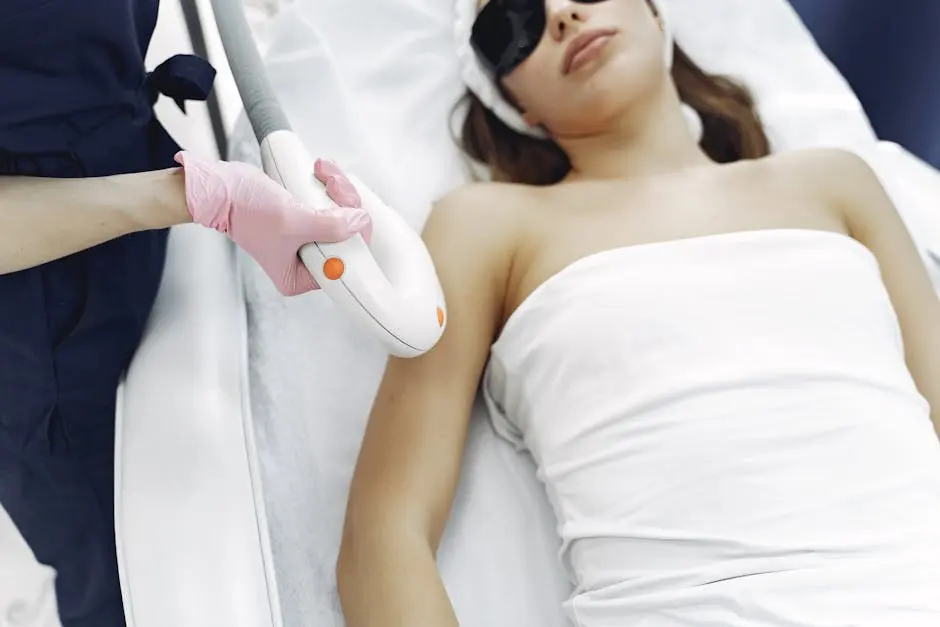
Laser hair removal is a medical procedure that uses a concentrated beam of light to remove unwanted hair. This light is absorbed by the pigment in the hair, creating heat that damages hair follicles and inhibits future growth.
The science behind this process is both fascinating and straightforward. At its core, laser hair removal targets the melanin in the hair. This is similar to how sunlight affects dark surfaces, generating heat that disrupts the follicle’s ability to produce more hair. Over time, this damage leads to a significant reduction in hair growth. It’s important to note that because this method targets pigment, it is generally more effective in individuals with darker hair and lighter skin tones.
2. How Does the Procedure Work?
During the procedure, a laser emits light that is absorbed by the pigment (melanin) in the hair. The light energy is converted to heat, damaging the hair follicles and reducing hair production over time.
Understanding how this works during the actual treatment can alleviate any anxiety. The laser device is calibrated to your specific skin and hair type, ensuring optimal efficacy. This customization enhances the procedure’s effectiveness while minimizing any potential for discomfort or complications.
3. Is It Safe for Everyone?
Laser hair removal is generally considered safe for most people, but it may not be suitable for individuals with very light, grey, red, or blond hair. Consulting a specialist can help determine if this treatment is right for you.
Moreover, individuals taking certain medications or with specific health conditions should disclose these details to the practitioner during the initial consultation. This is crucial for personalizing the treatment approach to each client’s health profile, ensuring maximum safety and effectiveness.
4. What Areas Can Be Treated?
Most areas of the body with unwanted hair can be treated with laser hair removal, including the face, legs, arms, bikini line, and back. Some sensitive areas may require specialized techniques.
Those considering multiple areas can find the flexibility of laser hair removal appealing. For instance, adjusting the laser settings enables effective treatment in delicate areas like the upper lip, while still maintaining enough power to cover larger areas such as the back. It’s essential to have an initial consultation where the professional can advise on specific strategies for each area.
5. How to Prepare for Treatment?
Before your treatment, avoid sun exposure and stop other hair removal methods like waxing. Shaving the day before your session may be recommended for optimal results.
6. What to Expect During the Process?
During the session, the provider will press a laser instrument to your skin. A cooling device or gel may be used to protect the skin and reduce discomfort. Each session may last a few minutes to over an hour, depending on the treatment area.
The process is designed to be as comfortable as possible. Many lasers incorporate advanced cooling techniques that not only protect the epidermis but also enhance client comfort. Clients often compare the sensation to that of a rubber band snap, a brief discomfort that quickly dissipates.
7. How Many Sessions Are Needed?
Multiple sessions, typically spaced several weeks apart, are often needed for optimal results. The total number of treatments required varies with each individual’s hair growth cycle and hair density.
8. Is It Painful?
The procedure can cause some discomfort, often described as a tingling or snapping sensation. Most professionals use cooling methods to minimize pain during the process.
Clients frequently find that any discomfort decreases significantly with each session. As hair growth becomes sparser, the laser’s work reduces, easing sensations felt during treatment. If you have any concerns about pain management, discussing these with the practitioner beforehand can lead to tailored approaches ensuring your comfort throughout the sessions.
9. What Are the Side Effects?
Common side effects include temporary irritation and redness. Serious complications are rare when the procedure is performed by a certified specialist.
Most clients find the post-treatment period manageable. For instance, applying soothing lotions or aloe vera can alleviate irritation or swelling. It’s integral to follow aftercare instructions provided by your specialist to ensure speedy recovery and optimal results.
10. Can Results Be Guaranteed?
While highly effective, laser hair removal does not guarantee permanent hair removal for everyone. Maintenance treatments might be needed to ensure long-term results.
Understanding this upfront can help set realistic expectations. Touting a high success rate, many clients experience remarkable hair reduction but should prepare for occasional maintenance sessions to manage new growth, especially if hormonal changes occur.
11. How Much Does It Cost?
Costs vary widely depending on factors like treatment area, practitioner experience, and geographical location. Consulting with clinics can provide specific estimates.
Pricing strategies can be diverse, often influenced by package deals, especially for multiple sessions or treatment areas. The initial consultation can offer insights into potential costs and enable you to confirm coverage with health or beauty insurance providers, where applicable.
12. Who Should Perform the Procedure?
Always seek treatment from licensed and experienced practitioners. Qualified professionals ensure safety and optimal results.
With advancements in technology and technique, entrusting your care to a well-reviewed establishment offers peace of mind. Such providers are more likely to employ the latest technologies and maintain rigorous safety protocols.
13. How to Choose a Provider?
Researching qualifications, reading reviews, and scheduling consultations are critical steps in selecting the right provider for your laser hair removal sessions.
By visiting potential providers, you can assess their professionalism and attention to client care. Ask about the types of lasers they use and their experience in handling your specific hair color and skin type. First-hand experiences can provide valuable insights into the quality of service you might receive.