
In recent years, laser hair reduction has become an increasingly popular choice for those seeking a more permanent solution to unwanted hair. But what is the science that makes these techniques effective and safe? Join us as we delve into the fascinating world of laser technology and explore how it can help achieve smooth, hair-free skin.
What Is Laser Hair Reduction?
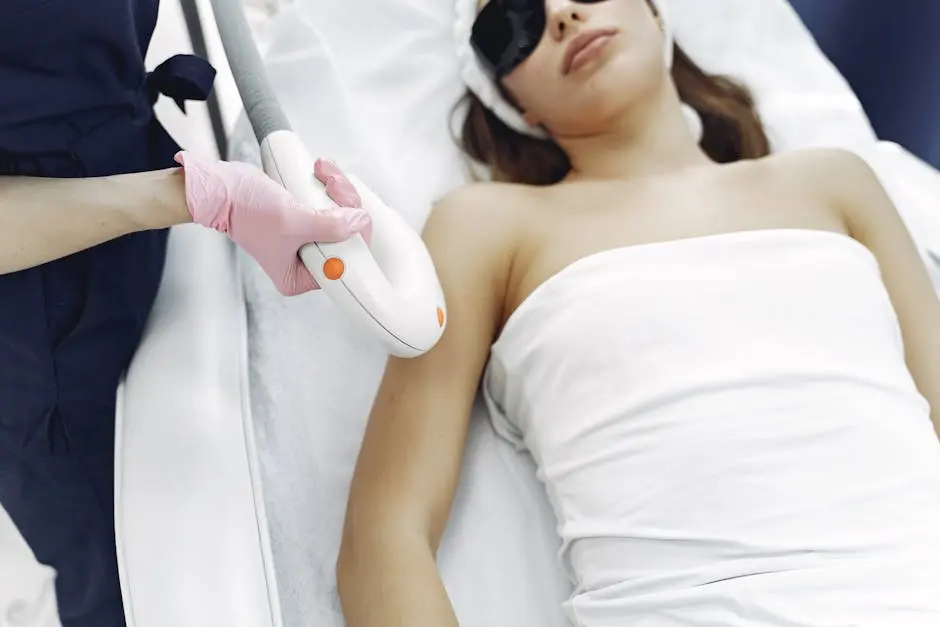
Laser hair reduction is a medical procedure that uses a concentrated beam of light (laser) to remove unwanted hair. It’s a precise method that targets hair follicles beneath the skin’s surface without damaging the surrounding skin. This technique is increasingly favored for its ability to provide long-term results, making it a practical alternative to more traditional methods such as shaving or waxing.
By focusing on the pigment within individual hair follicles, laser hair reduction specifically disables the follicle itself, significantly slowing regrowth. The treatment’s precision means it can be aimed at an extremely small section of skin, allowing practitioners to be meticulous in their approach. Thus, it is a preferred method for those targeting specific areas like the upper lip, chin, bikini line, and legs.
Understanding the Science of Lasers
Lasers operate by emitting a specific wavelength of light, which is absorbed by the pigment in the hair. This light energy is then converted into heat, effectively destroying the hair follicle and inhibiting future growth. The precision and selective targeting of the laser ensure that only the hair root is impacted, leaving other tissues unharmed. Furthermore, technologies like selective photothermolysis enhance this process by matching laser settings to the specific characteristics of the hair being treated.
The science behind lasers is fascinating, with advancements pushing the boundaries of what is possible in cosmetic procedures. Researchers are continuously examining the effects of different wavelengths on hair follicles to optimize efficacy. Through studies and trials, experts are able to tailor treatments to individuals’ hair and skin types, offering a more personalized hair reduction plan.
Different Types of Laser Technologies
There are various types of laser technologies used for hair reduction, including diode, alexandrite, Nd:YAG, and ruby lasers. Each type has its unique characteristics, making them suitable for different skin tones and hair types. Understanding these variations can help in selecting the most effective treatment. For instance, Alexandrite lasers are often preferred for individuals with fair skin due to their specific wavelength properties.
Diode lasers are known for their deep penetration and longer wavelengths, making them effective for deeper hair follicles and ideal for darker skin tones. Nd:YAG lasers also excel in treating dark skin tones and can be safely used on all skin types. By providing a comparison of these technologies, users can better understand which laser suits their specific needs and consult with their provider for personalized recommendations.
The Procedure: What to Expect
The laser hair reduction procedure involves a series of treatments spaced over several weeks or months. Each session lasts typically under an hour, depending on the area being treated. Patients may experience mild discomfort, similar to a rubber band snapping against the skin, but the cooling mechanisms in modern devices help alleviate this sensation. During the initial consultation, a patch test may be conducted to observe any adverse reactions and determine the most appropriate laser type for the individual.
Understanding what happens in a typical session can alleviate apprehensions and set realistic expectations. Patients should refrain from waxing or electrolysis six weeks before treatment to allow the laser to target hair follicles effectively. Post-procedure care is equally important, including avoiding sun exposure and applying prescribed soothing lotions to calm the area. Each step is designed to enhance the effectiveness of the treatment and promote healthy skin recovery.
Safety and Side Effects
Laser hair reduction is generally considered safe when performed by trained professionals. However, as with any procedure, there are potential side effects such as redness, swelling, or temporary skin irritation. It is crucial to follow pre and post-treatment guidelines to minimize risks and ensure optimal results. Understanding the basics of skin safety can empower patients to make informed decisions about their treatment schedule and aftercare.
Experienced practitioners prioritize safety, using the latest technology to monitor skin reactions during laser treatments. Moreover, detailed consultations allow practitioners to adjust variables such as laser intensity and frequency, reducing possible adverse effects. Patients are encouraged to voice any concerns, fostering a transparent dialogue that prioritizes comfort and satisfaction.
The Pros and Cons of Laser Hair Reduction
One of the main advantages of laser hair reduction is its longevity compared to other hair removal methods like shaving or waxing. It offers precision and can treat larger areas in less time. However, it typically requires multiple sessions and can be costly upfront. Discussing goals and expectations with a provider will help determine if this technique is the right choice. By balancing long-term results with potential costs, individuals can arrive at an informed decision.
While laser hair reduction presents numerous benefits, it’s also important to weigh the challenges. Skin sensitivity, varying efficacy on different hair colors, and the necessity of commitment to multiple sessions should be considered. Resources like in-depth guides offer insights into patient experiences and tips for achieving optimal outcomes. Understanding both sides of the equation ensures clarity and satisfaction with the chosen method.
Embracing the Future of Hair Reduction
Laser hair reduction stands out as a pioneering approach in the pursuit of effective hair removal solutions. With a firm grasp on the underlying science and a clear understanding of the procedure, individuals can make informed decisions that suit their hair removal needs. As technology continues to advance, the future of laser hair reduction looks promising and innovative. Visit our homepage for more information on how you can embrace this cutting-edge technology.