
Sun spots, also known as age spots or liver spots, often appear on skin that has had long-term exposure to the sun. Many people have concerns about these spots and what they might mean for their skin health. In this FAQ, we’ll explore whether sun spots indicate skin damage and how you can address them.
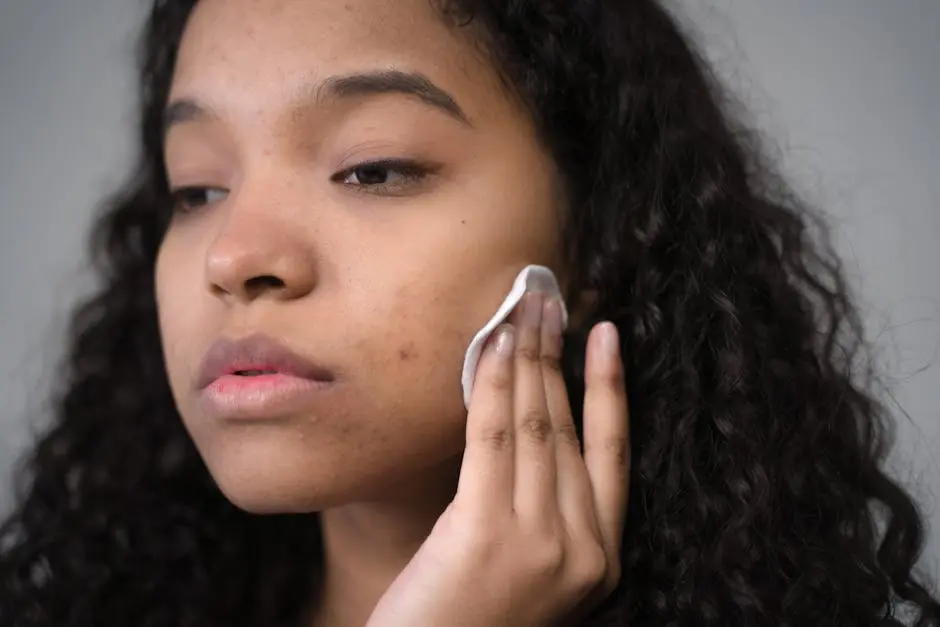
What Are Sun Spots?
Sun spots are flat brown, gray, or black spots on the skin. They typically occur in areas that have been exposed to the sun for many years, like the face, hands, shoulders, and arms. They are generally harmless and are a sign of accumulated sun exposure over time.
It’s important to distinguish sun spots from other skin conditions. Unlike freckles, which can fade without sun exposure, sun spots are more persistent and typically require treatment to fade away. Understanding these differences can help in choosing the right skincare routine.
Do Sun Spots Indicate Skin Damage?
While sun spots themselves aren’t dangerous, they do indicate that your skin has seen enough ultraviolet (UV) light to cause melanin to hyper-pigment, or darken. This is a sign that your skin may have been damaged by the sun’s rays, and it suggests that more sun exposure could lead to further skin damage.
The presence of sun spots suggests a significant exposure to UV radiation, which is a primary cause of skin aging and potentially more serious conditions like skin cancer. Therefore, noticing these spots should prompt you to consider better skin protection practices.
In essence, sun spots are a visual clue that your skin has been through a lot of sun exposure. They act as a reminder to take proactive steps to protect your skin from future sun damage. This includes not only using sunscreen but also making lifestyle adjustments to limit exposure during peak UV times.
How Can I Prevent Sun Spots?
Preventing sun spots involves regular use of sunscreen, wearing protective clothing, and avoiding peak sun hours. Using SPF 30 or higher can protect your skin from UV damage. Wide-brimmed hats and sunglasses can also provide added protection.
Developing a sun-safe routine is crucial. Incorporating a daily moisturizer with SPF helps safeguard your skin even on cloudy days. Remember, UV rays can penetrate clouds and cause sun spots regardless of whether it’s sunny or not.
Additionally, diet can have a supportive role in skin health. Foods rich in antioxidants, such as blueberries and spinach, may help your skin fend off some of the oxidative damage caused by sunlight. Embracing a holistic approach to skincare is beneficial.
What Are the Treatment Options for Sun Spots?
There are several treatments available to reduce the appearance of sun spots, including topical creams containing ingredients like hydroquinone, retinoids, or vitamin C. Professional treatments such as laser therapy, chemical peels, or microdermabrasion can also be effective.
When considering treatments, it’s essential to consult with a dermatologist to choose the approach that aligns with your skin type and goals. While at-home treatments can often lighten sun spots, professional treatments typically result in faster and more noticeable improvements.
Prevention remains the best strategy, but if sun spots have already developed, treatment options offer an effective way to achieve a clearer complexion. Our professional team at Adorn Medspa is here to guide you through these options and help tailor a plan to meet your specific needs.
Final Thoughts on Sun Spots and Skin Health
Understanding sun spots is a crucial step in maintaining your skin’s health. While they are commonly associated with sun exposure and aging, taking proactive measures can help minimize their appearance and safeguard your skin from further sun damage. Always remember that when it comes to your skin, prevention and protection are key. For more information or to explore treatments, visit our homepage.