
Dealing with rosacea can be a frustrating experience, especially when redness and flare-ups seem to happen at the most inconvenient times. If you’re in Dearborn, Michigan, you’re in luck because this guide is here to help you learn simple and effective ways to manage and treat rosacea. Let’s dive into tips and treatments tailored specifically for you.
1. Understanding Your Triggers
Every person with rosacea has unique triggers that can cause flare-ups. Identifying and avoiding these triggers is a crucial step in managing the condition effectively. Pay attention to the foods, weather conditions, or stressors that seem to exacerbate your symptoms. Keeping a journal to track daily activities and noting any associated skin changes can be especially helpful in pinpointing your individual triggers.
Weather can be a significant factor. Fluctuations in temperature, especially moving from warm to cold environments, can trigger rosacea flare-ups. During Michigan’s chilly winters, try to cover your face with a scarf and limit time spent outside. On hot summer days, seek air-conditioned places or opt for indoor activities during peak heat.
2. The Importance of a Gentle Skincare Routine
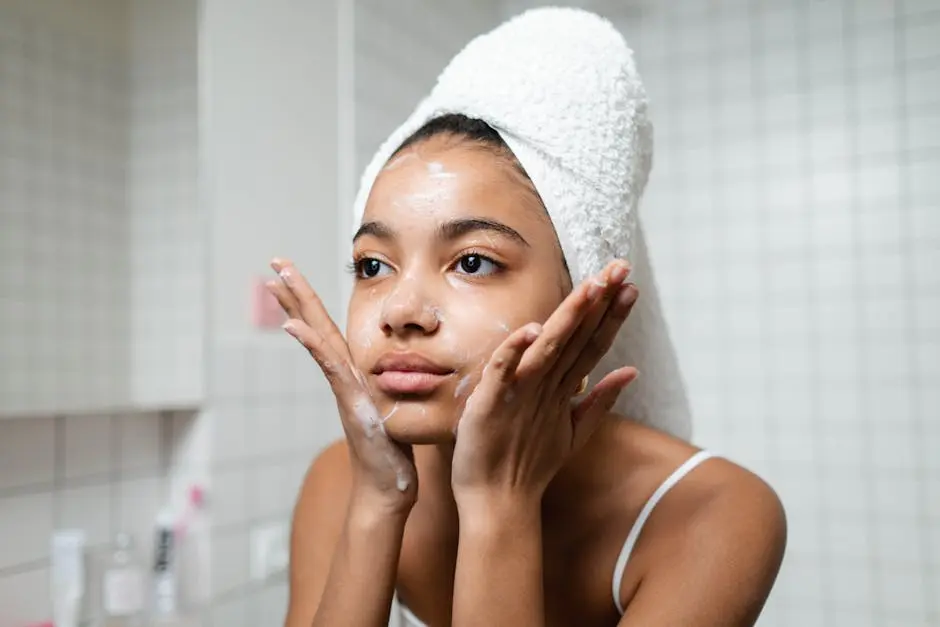
When it comes to rosacea, less is often more. Opt for fragrance-free and hypoallergenic skincare products to avoid irritation. A consistent routine with gentle cleansing and adequate moisturizing can help maintain skin balance. Consider products with calming ingredients like chamomile or aloe vera, which are known for their soothing properties.
Avoid scrubbing your skin vigorously as it can lead to further irritation. Instead, use lukewarm water and your fingertips to gently cleanse your face. Pat your skin dry with a clean towel instead of rubbing it. Following this approach will help prevent unnecessary aggravation of your skin.
3. Sun Protection is a Must
Sun exposure is a common trigger for many individuals with rosacea. Protect your skin by applying a broad-spectrum sunscreen daily, even on cloudy days. Wearing a wide-brimmed hat and seeking shade can also provide added protection. Look for sunscreens specifically formulated for sensitive skin to avoid any irritation.
Consider physical or mineral sunscreens containing zinc oxide or titanium dioxide. These ingredients sit on top of the skin, deflecting harmful UV rays and are generally less irritating than chemical sunscreens. Applying these every two hours when outside ensures consistent protection throughout the day.
4. Diet Adjustments for Healthier Skin
What you eat can have an impact on your skin’s health. Consider incorporating more anti-inflammatory foods such as leafy greens, berries, and fatty fish into your diet while reducing intake of spicy foods and alcohol. These dietary changes may help decrease the frequency and intensity of rosacea flare-ups.
Additionally, some individuals have found success by avoiding dairy products, as they can sometimes contribute to skin inflammation. Experiment by eliminating potential dietary triggers one by one and reintroducing them gradually while monitoring your skin’s reaction. This process can be invaluable in crafting a diet that promotes calm and clear skin.
5. Managing Stress Effectively
Stress is known to worsen rosacea symptoms for many people. Engaging in relaxation techniques such as yoga, meditation, or deep breathing exercises can help keep stress levels in check. These practices can become a cornerstone of your daily routine, not only improving your skin but also enhancing overall well-being.
Incorporating physical activity—whether it’s a leisurely walk through a Dearborn park or a more intensive workout—can also help mitigate stress. Physical activity releases endorphins, which naturally elevate your mood and help manage stress levels, indirectly benefiting your skin condition.
6. Over-the-Counter Solutions
There are various over-the-counter treatments available that can help manage mild rosacea symptoms. Look for products containing ingredients like niacinamide or azelaic acid to help calm inflammation. These chemicals can gently assist in maintaining your skin’s tranquility while managing redness and discomfort.
In addition, green-tinted creams or foundations can neutralize redness, providing both relief and improved appearance. Consistent use and correct application of these products are key to seeing noticeable improvements.
7. Consulting a Dermatologist
For more targeted treatment, consulting a dermatologist in Dearborn can provide you with tailored medical solutions. Prescription treatments offer relief for moderate to severe cases of rosacea. Your dermatologist might recommend topical treatments, oral medications, or a combination of approaches to best suit your specific symptoms.
Don’t hesitate to ask your dermatologist about new treatments and research in the field of rosacea management. Keeping abreast of the latest advances means you can benefit from the most effective treatment protocols available.
8. Laser and Light Therapies
For those seeking advanced treatment options, laser and light therapies can significantly reduce redness and visible blood vessels. These treatments, often performed by a dermatologist, require minimal downtime. You might see improvements after just a few sessions, with results remaining visible for months.
Discuss with your dermatologist if you are a candidate for these therapies. They can provide detailed insights on procedure expectations, recovery, and potential benefits based on your specific skin condition. This dialogue ensures that you’re well-prepared and informed before commencing treatment.
9. Cold Compresses for Immediate Relief
Applying a cold compress during a flare-up can provide instant soothing relief. Wrap ice in a soft cloth and gently apply it to the affected area to calm the skin. This method is effective since the cold constricts blood vessels, minimizing redness and the burning sensation associated with rosacea.
Cold compresses are a simple yet effective remedy that can easily be incorporated into your routine at the first sign of a flare-up. They are an excellent on-the-go solution that can be easily prepared and used, offering peace of mind wherever you are.
10. Finding Support and Resources
Connecting with support groups or online communities can provide comfort and valuable tips from others experiencing rosacea. Shared experiences and advice can be a great source of encouragement. Consider joining forums or social media groups where members exchange stories and practical solutions for handling rosacea.
Finding a sense of community helps facilitate emotional support and provides a platform to voice concerns you might have, knowing others stand ready to assist. Additionally, these groups often share timely information about new research and treatment options, broadening your understanding of rosacea management.