
Managing rosacea can be challenging, but with the right routine, you can minimize flare-ups and promote healthier skin. In this blog, we’ll explore practical ways to elevate your rosacea treatment and achieve a calmer complexion.
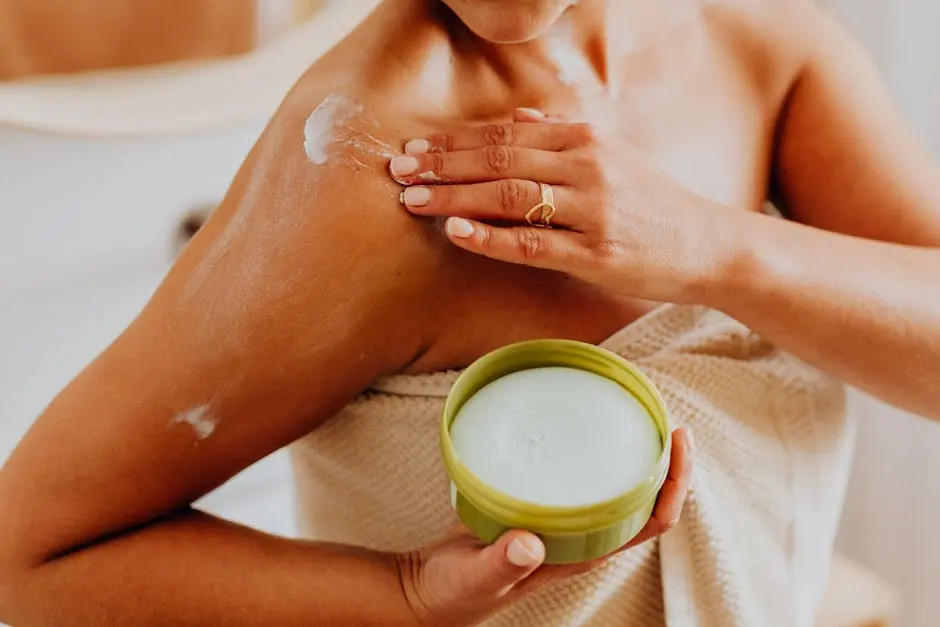
1. Understand Your Triggers
Identifying what causes your rosacea to flare up is crucial. Keep a diary of foods, activities, and products that might trigger your symptoms. By closely monitoring these factors, you can start to identify patterns. For example, some people find that spicy foods or stress can lead to flare-ups, while others might react to certain skincare products. Understanding these triggers can be empowering and allow you to make informed decisions about your lifestyle and skincare routine.
It’s also important to recognize that triggers can vary from person to person. What might cause a reaction in your friend may not affect you at all. This personal variation underscores the importance of keeping a detailed log. Furthermore, once you have identified your triggers, you can implement strategies to avoid them. This might involve changing your diet, adjusting your skincare products, or altering your daily habits to minimize stress.
2. Choose Gentle Cleanser Options
Opt for cleansers that are designed for sensitive skin, free from harsh chemicals and fragrances, to soothe rather than irritate your skin. Cleansing is the foundation of any skincare routine, especially for those with rosacea. A gentle cleanser can help maintain your skin’s natural barrier, keeping it hydrated and reducing the risk of flare-ups.
When selecting a cleanser, look for products that are labeled as hypoallergenic or formulated for sensitive skin. Ingredients such as aloe vera or chamomile can offer calming benefits. It’s also wise to avoid products with alcohol, witch hazel, or menthol, as these can strip the skin and exacerbate redness.
3. Moisturize Effectively
Hydration is key for managing rosacea. Select a moisturizer that locks in moisture and calms the skin, making sure it’s non-comedogenic and fragrance-free. Moisturizers serve as a barrier, protecting the skin from environmental stressors while keeping it hydrated.
Look for moisturizers that contain ingredients like ceramides or hyaluronic acid, known for their hydrating properties. These ingredients can help plump up the skin and reduce the appearance of redness by improving moisture balance. Remember, consistency in application is crucial. Make moisturizing a regular part of your morning and night routine to maintain skin hydration and protection.
4. Incorporate Sun Protection
Sun exposure is a common trigger for many. Use a broad-spectrum sunscreen daily to protect your skin from harmful UV rays. The actinic damage caused by sun exposure can lead to increased redness and flare-ups in rosacea patients. Therefore, a mineral-based sunscreen with zinc oxide or titanium dioxide is often recommended, as these ingredients are less likely to irritate sensitive skin.
In addition to applying sunscreen, wearing protective clothing and seeking shade can further minimize your sun exposure. A wide-brimmed hat and sunglasses can shield your face, and staying in the shade during peak sun hours can also help reduce skin stress. Remember, UV protection is necessary even on cloudy days, as UV rays can penetrate through clouds.
5. Avoid Overheating Your Skin
Be mindful of heat sources such as hot showers, saunas, and cooking over a stove, as heat can exacerbate rosacea symptoms. High temperatures can lead to vasodilation, causing blood vessels to expand and creating the characteristic redness associated with rosacea.
Instead of taking hot showers, opt for lukewarm water and try to limit the time you spend under hot conditions. Consider ways to cool your environment, such as using fans or air conditioning, to keep your overall body temperature in check. Understanding how to regulate your exposure to heat can be as crucial as any skincare product in managing rosacea.
6. Watch Your Diet
Certain foods can trigger rosacea. Consider a diet that minimizes spicy foods, alcohol, and hot beverages which may contribute to flare-ups. These dietary triggers can vary widely among individuals, so it’s important to be observant and note which foods provoke your symptoms.
Many find that the adoption of an anti-inflammatory diet can be beneficial. This includes integrating foods that are high in omega-3 fatty acids, such as fish and flax seeds, which can help reduce inflammation. Including plenty of fruits and vegetables can also support overall skin health. It’s crucial to be mindful of your diet and observe how changes can positively impact your skin.
7. Manage Stress Levels
Stress is a well-known trigger. Incorporate stress-reducing activities such as yoga, meditation, or deep breathing exercises into your daily routine. These practices can help keep your stress levels in check and, consequently, reduce the frequency and severity of flare-ups.
Additionally, ensuring you have a robust support system can make a world of difference. Engage in community groups, whether online or offline, where you can share experiences and get emotional support from others who understand your journey. Managing stress not only benefits your psyche but also plays a critical role in maintaining your skin’s health.
8. Consult With a Dermatologist Regularly
Regular check-ins with your dermatologist can help fine-tune your treatment plan and keep your symptoms under control. A healthcare professional can offer tailored advice and suggest new therapies or products as your condition changes.
For instance, your dermatologist might recommend laser therapy or prescribe medications to help manage your symptoms more effectively. They can also monitor your progress and adjust treatments to ensure they continue to meet your needs. Keeping this line of communication open is crucial for ensuring that you are receiving the most informed care possible.
9. Research Topical and Prescription Treatments
Explore prescribed treatments with your dermatologist to find effective topical solutions or oral medications for managing your condition. Topical treatments can include metronidazole, azelaic acid, or ivermectin, which work to reduce inflammation and bacterial count on the skin.
Meanwhile, oral medications such as low-dose antibiotics might be prescribed to those with more severe symptoms to control inflammation internally. Before starting any new medication or treatment, consult with your dermatologist to ensure it aligns with your treatment goals and skin sensitivity.
10. Patch Test New Products
Always test new skincare products on a small area first to ensure they won’t irritate your skin and trigger a rosacea flare-up. This simple yet effective step can prevent unwanted reactions. Apply a small amount of the product to an inconspicuous area of skin and wait 24 to 48 hours to observe any potential adverse effects.
If no irritation occurs, you can then proceed with using the product more broadly. Remember, patience is key when it comes to skincare, and introducing one new product at a time can help you better identify any issues that arise. By being proactive, you can maintain a healthy and comfortable skin regimen.