
In today’s wellness-focused world, spas are a popular retreat for many seeking relaxation and rejuvenation. However, with the rise of medical spas, or med spas, it can be a bit challenging to understand how they differ from traditional spas. Let’s explore what sets these two types of spas apart and help you decide which might best meet your needs.
Understanding Traditional Spas
Traditional spas are sanctuaries of relaxation, offering a variety of soothing treatments that invite you to step away from the hustle and bustle of everyday life. Imagine entering a calming oasis, where the aromas of essential oils and the soft melodies playing in the background immediately ease your tension. Services such as massages, facials, and body scrubs help rejuvenate both the body and mind, making them perfect for anyone looking to unwind from their daily stressors.
These spas are often located in picturesque settings, enhancing the overall sensory experience. They frequently focus on holistic well-being, emphasizing practices like aromatherapy and mindfulness, which have been shown to improve mental health and promote relaxation. The environment in a traditional spa is purposefully curated to provide a respite from the outside world, often incorporating features like natural lighting, water elements, and lush greenery to enhance the soothing ambiance.
What Are Medical Spas?
Medical spas blend the pampering experience of a traditional spa with advanced aesthetic and wellness procedures that require a clinical setting. Overseen by medical professionals, these facilities are equipped with cutting-edge technology to address both cosmetic and health-related concerns. For instance, treatments such as Botox or laser skin therapy can help target specific issues like aging signs or uneven skin tone, providing results that are both noticeable and beneficial in the long term.
The rise of medical spas has been driven by an increasing desire for non-surgical and minimally invasive treatments that offer effective results without the extended downtime of traditional surgical options. At the heart of a medical spa is a commitment to evidence-based procedures, ensuring that clients receive scientifically backed treatments that meet their personal aesthetic goals.
Staff and Qualifications: A Key Difference
One of the most significant distinctions between medical spas and traditional spas lies in the qualifications of the staff. While the professionals at a traditional spa are skilled in their craft, they typically focus on enhancing relaxation through massages and skin care treatments.
In contrast, the personnel at a medical spa often include licensed healthcare practitioners who are trained to perform a range of advanced treatments. This might include dermatologists, physician assistants, or registered nurses who can carry out complex procedures like laser resurfacing and microdermabrasion. The presence of medical expertise ensures that treatments adhere to the highest standards of safety and effectiveness, offering a distinct advantage for clients with specific health or cosmetic concerns.
Treatment Offerings and Objectives
The core offerings of a traditional spa focus on promoting relaxation and mental well-being through a variety of gentle treatments. From hot stone massages to hydrating facials, the goal is to soothe and rejuvenate the body in a holistic manner.
Conversely, medical spas leap beyond pure relaxation to incorporate advanced procedures that target specific skin and body issues. These treatments are often tailored to improve conditions like acne, hyperpigmentation, and age-related concerns using techniques such as chemical peels or photorejuvenation. Thus, medical spas not only promise cosmetic enhancement but also an element of preventive care, aimed at maintaining long-term skin health.
The Ambiance and Environment
Traditional spas pride themselves on creating a tranquil, intimate environment that encourages stress relief and relaxation. Here, elements such as calming scents, soft music, and plush surroundings invite clients to disengage from their everyday stresses.
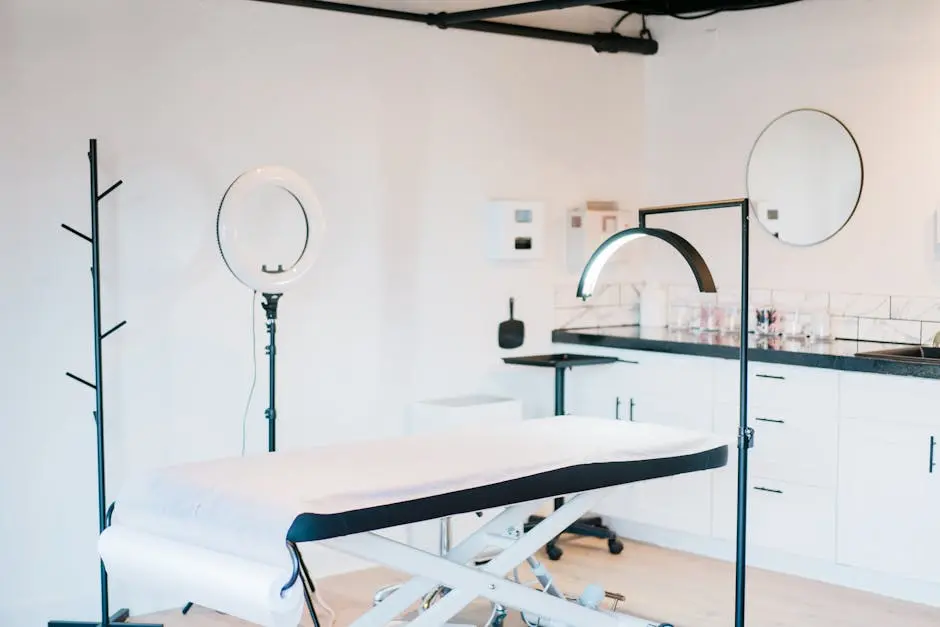
Medical spas, while maintaining elements of comfort and relaxation, introduce a clinical aspect to their design. The environment is typically more sterile and streamlined to house technologically advanced equipment and ensure sanitary procedures.
This careful blending of tranquility and clinical efficiency sets medical spas apart, as they offer a unique space where clients can enjoy the calming aspects of a spa while receiving treatments grounded in medical science. This dual experience can be particularly beneficial for those who seek targeted skin treatments along with a relaxing session.
Choosing the Right Spa for Your Needs
Understanding the differences between medical spas and traditional spas can significantly impact your wellness journey. While traditional spas offer exceptional relaxation experiences, medical spas provide advanced treatments under expert supervision. Depending on your needs, either option can offer outstanding benefits. Consider your wellness goals and consult with spa professionals to choose the best fit for you.