
Laser hair removal is an amazing option for those looking to simplify their beauty routine by reducing unwanted hair growth. But to get the most out of your treatments, it’s important to follow some key tips. In this guide, we’ll explore helpful advice to ensure you achieve the best results possible.
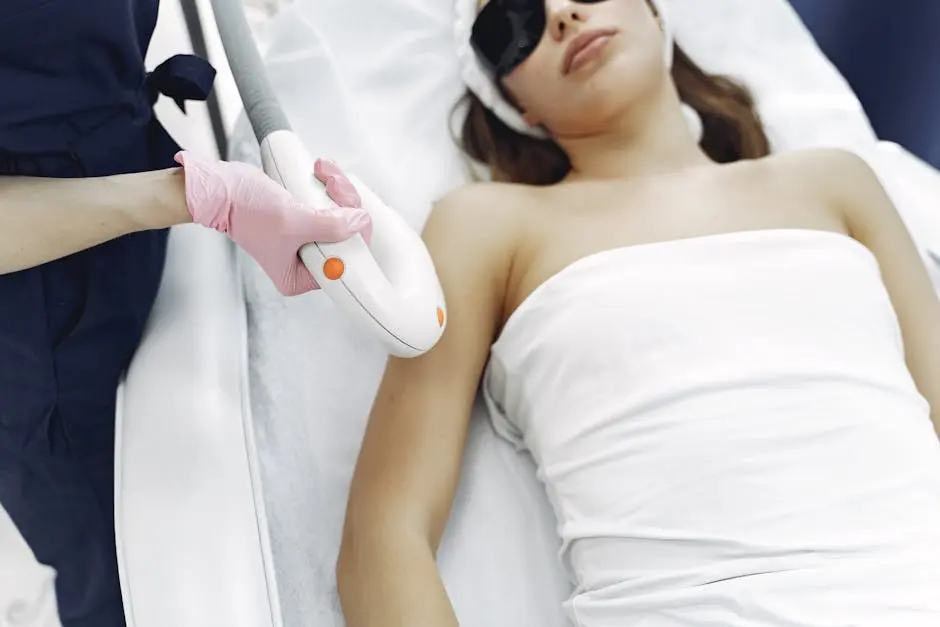
1. Understand Your Skin Type
Knowing your skin type can significantly impact the effectiveness of laser hair removal. Different skin types react differently to the laser, making it crucial to consult with a professional who can guide you to the right types of laser treatments. Dermatologists often emphasize understanding the Fitzpatrick skin type scale to predict your treatment outcomes better. This scale categories skin based on their reaction to sun exposure, which helps in selecting the appropriate laser technology.
Furthermore, do not assume one size fits all, as each person might require different settings even if they fall under the same skin type category. Customizing treatment protocols according to individual skin characteristics can optimize results and minimize any risk of side effects. Always engage in an initial consultation where the technician can assess your skin’s needs, ensuring you’re on the path to effective laser hair removal.
2. Avoid Sun Exposure
Sun exposure can make your skin more sensitive and vulnerable to laser light, increasing the risk of burns and hyperpigmentation post-treatment. To ensure effectiveness and safety, it’s advisable to stay out of direct sunlight at least two weeks before and after your appointment. If you must be outside, consider wearing protective clothing or applying a high-SPF sunscreen regularly. This approach helps maintain the optimal condition of your skin, allowing lasers to perform more effectively without unnecessary complications.
3. Gently Exfoliate the Area
When you gently exfoliate the skin, you’re doing more than just polishing its surface. Exfoliating approximately 48 hours before your session helps remove dead skin cells and oils that can obstruct laser penetration. Use an exfoliating scrub or a mild chemical exfoliant – like those containing AHAs or BHAs – to prepare your skin. Be mindful not to overdo it, as excessive exfoliation can irritate the skin, causing redness or dryness, which may hinder the desired outcomes.
4. Shave Before Your Appointment
Shaving prepares your skin adequately by removing hair above the skin surface while keeping the hair follicle intact. This direct focus on the hair follicle ensures the laser energy is absorbed effectively, targeting the root for optimal effectiveness. It’s essential to shave 24 hours before your appointment to prevent skin irritation and allow any nicks from shaving to heal. Refrain from using any shaving creams that contain irritating chemicals, which might react unfavorably with the laser treatment.
5. Avoid Waxing or Plucking
Although waxing and plucking are effective hair removal methods, they remove the hair root, which is essential for laser treatments. Laser hair removal works by targeting the pigment within the hair follicle, so without it, the treatment is ineffective. If you primarily wax to remove hair, switch to shaving for at least 6 weeks before starting laser treatments. This adjustment ensures enough regrowth to effectively conduct the laser procedure as intended, ultimately providing longer-lasting results.
6. Follow Aftercare Instructions
Post-treatment care is just as important as the treatment itself when ensuring optimal results. Each technician provides tailored aftercare instructions based on your individual needs and any specific reactions your skin may exhibit. These recommendations often include avoiding hot baths, saunas, and vigorous activities that cause excessive sweating, as they could lead to irritation. Applying a cold compress can aid in soothing any tenderness or redness that might occur after the treatment. Adhering strictly to your technician’s advice can significantly reduce the chances of adverse reactions and maximize the benefits you gain from the procedure.
7. Stay Hydrated
Hydration is a cornerstone of healthy skin and effective laser treatments. Well-moisturized skin helps the laser penetrate more deeply, reaching the hair follicles with precision. Drink plenty of water daily and incorporate moisturizing creams or serums into your skincare routine. Consider those that contain hyaluronic acid, as it’s known for its hydrating properties and ability to improve skin texture. Staying hydrated not only aids the treatment but contributes to your skin’s long-term health, giving you a vibrant complexion.
8. Schedule Regular Maintenance Sessions
To achieve the best and long-lasting results, regular maintenance sessions are a must. Initial treatments typically require bi-weekly appointments to target the hair cycle effectively. After completing these initial sessions, you’ll likely need to shift to less frequent, ongoing maintenance sessions to sustain the results. Consistent intervals help maintain reduced hair growth as the laser technology capitalizes on catching hair in its growth phase, halting the cycle altogether over time. Your long-term commitment and your practitioner’s recommended schedule will determine the results’ permanence.
9. Be Patient with Results
It’s essential to remember that laser hair removal results are not immediate. The treatment process requires patience and a few sessions before you notice significant hair reduction. Hair grows in cycles, and the laser targets hairs in the growth phase most effectively. As you continue with your scheduled appointments, you’ll likely see less regrowth and might notice softer, finer hair between sessions. Keep a photographic journal to track your progress, providing motivation and reassurance throughout the journey. Celebrate each step towards smoother skin, knowing that consistent effort brings about transformative results.
10. Adjust Lifestyle Habits
Your lifestyle habits can impact the effectiveness of laser hair removal. Certain medications, like photosensitizing drugs, can increase skin sensitivity, raising the risk of adverse reactions. Moreover, using skin products that contain retinoids or glycolic acids should be discontinued before and after treatment, as they can heighten skin sensitivity. Discuss your daily skincare and medication intake with your practitioner to tailor your treatment plan effectively. Small adjustments, such as using fragrance-free products and sun protection, can support your skin’s resilience and response to laser hair removal.
11. Monitor Treatment Progress
Keeping track of your laser hair removal progress can provide valuable insights into your treatment’s effectiveness and guide necessary adjustments. Document each session by taking photos of the treated areas from various angles to objectively see changes over time. Note any changes in hair density, texture, and duration between regrowth. These observations help your technician tailor subsequent sessions to improve results further and ensure each appointment builds towards your desired outcome. Staying conscious of your progress, whether through journaling or visual records, also helps maintain motivation and anticipation for you and your practitioner’s joint effort.
12. Choose a Qualified Technician
Selecting the right practitioner is crucial to successful laser hair removal. Look for certified and experienced technicians who are well-versed in the latest laser technologies and techniques. A skilled professional can accurately assess your skin type, recommend the appropriate treatment plan, and execute the procedure safely. This not only impacts the safety of your sessions but also optimizes the overall effectiveness of the treatment. Prioritize clinics with positive reviews and satisfied clientele, and ensure the professional’s qualifications align with your needs, giving you confidence and peace of mind in every session.