
Sun spots, those pesky brown patches on the skin, are a common concern for many, especially for those who love spending time in the sun. Laser treatments have become a popular choice for reducing these spots effectively. Let’s explore how these treatments work and why they might be the solution you’ve been searching for.
Understanding Sun Spots
Sun spots, also known as age spots or solar lentigines, are flat brown spots that appear on areas of the skin exposed to the sun. They are a result of prolonged exposure to UV rays which increase melanin production.
But why do these sun spots form in the first place? When you spend extended periods outdoors without protection, your skin produces extra melanin as a defense mechanism against UV damage. This excess melanin tends to group together, forming those unwanted blotches known as sun spots.
These tiny marks may seem harmless, but for many, they represent an aesthetic concern that contributes to a weathered appearance. Understanding their formation is key to knowing how best to treat and prevent them in the future.
How Laser Treatments Work
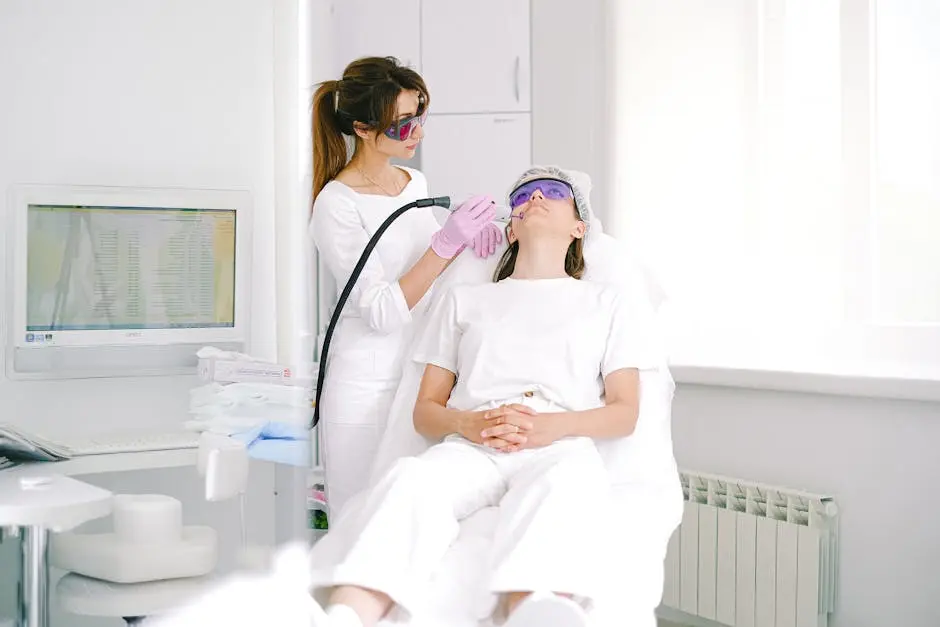
Laser treatments use focused light energy to target and break down the melanin in sun spots. This process helps in lightening the spots over a series of sessions, making them less noticeable over time.
The type of laser treatment used depends on the depth and severity of the sun spots. Ablative lasers remove the outer layer of skin and are often used for deeper pigmentation, while non-ablative lasers work by heating the layers under the skin.
Each session is designed to gradually fade the appearance of spots. While it may require several appointments, the result is a more even and clear complexion. Plus, this non-invasive approach ensures less downtime compared to other skin treatments.
Benefits of Laser Treatments for Sun Spots
Laser treatments are precise and can target specific spots without affecting surrounding skin. They are also non-invasive and require minimal recovery time, making them a convenient option for many.
Apart from being effective, laser treatment provides an opportunity to treat larger areas in a shorter span of time. This efficiency is why many people opt for laser solutions, especially when dealing with numerous sun spots.
Furthermore, these treatments are versatile and can cater to various skin types and tones. This adaptability makes laser treatments an inclusive option for individuals seeking to rejuvenate their skin and boost their confidence.
Preparing for a Laser Treatment
Before undergoing laser treatment, it’s important to consult with a dermatologist. They will assess your skin type and the extent of sun damage to recommend the most suitable treatment plan.
A crucial part of preparation involves avoiding sun exposure for a few weeks prior. Sun-tanned skin can increase the risk of side effects, so it’s best to wear protective clothing and apply sunscreen diligently.
In some cases, dermatologists might suggest avoiding certain skincare products, especially those containing retinoids or alpha-hydroxy acids, which can increase sensitivity.
Post-Treatment Care
After treatment, it’s crucial to follow the dermatologist’s aftercare instructions to ensure proper healing. This includes avoiding sun exposure and using sunscreen to protect your skin from further damage.
Moisturizing the skin with a gentle, hydrating lotion is recommended to aid recovery. Keeping the treated area hydrated can prevent dryness and irritation during the healing phase.
If any redness or swelling persists, cool compresses can offer relief. Always remember that the way you care for your skin post-treatment significantly influences the longevity and effectiveness of your results.
Conclusion
Laser treatments offer a promising solution for reducing sun spots, combining precision, effectiveness, and safety. While they can provide excellent results, it’s essential to consult with a dermatologist to ensure the treatment is suitable for your skin type and condition. Remember, post-treatment care and sun protection are crucial to prevent new sun spots from forming. To learn more about how you can benefit from laser treatments, visit our homepage and book a consultation today.