
Laser treatments have become increasingly popular, promising a variety of benefits from skin rejuvenation to hair removal. However, with their rise in popularity, several myths and misconceptions have also emerged. In this blog, we’ll clear up some of the most common misunderstandings about laser treatments and provide the facts you need to make informed decisions.
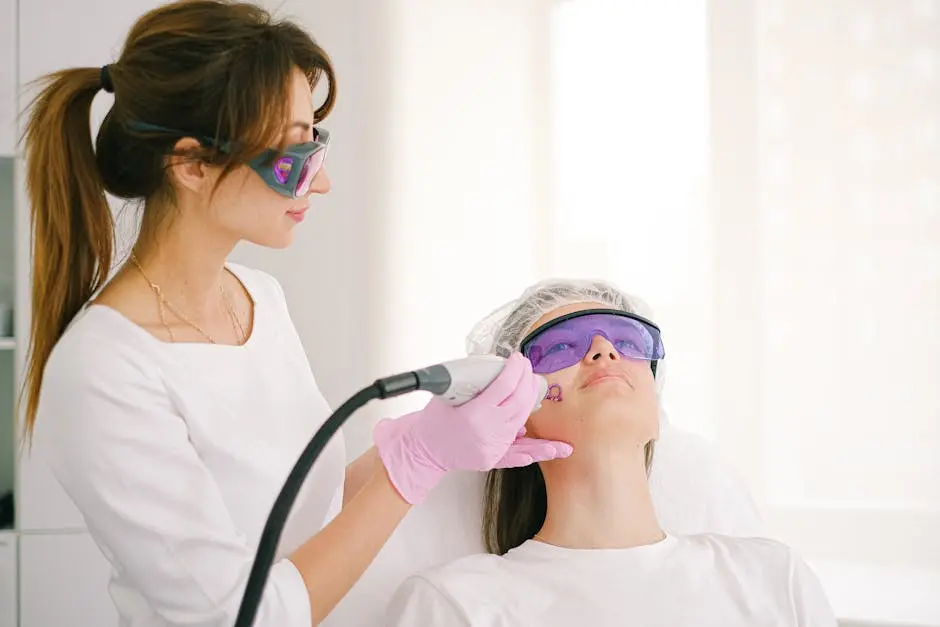
Myth 1: Laser Treatments Are Painful
One of the most widespread myths about laser treatments is that they are intensely painful. While some discomfort may be experienced during the procedure, advancements in technology have significantly minimized pain. Many treatments are comparable to the feeling of a rubber band snapping against the skin and, in many cases, a numbing cream can be applied to further ease discomfort.
It’s important to recognize that everyone’s pain tolerance varies. However, the great news is that most laser systems now come with built-in cooling mechanisms that help calm the skin instantly. This not only reduces the sensation of burning but also diminishes the overall discomfort. In addition, professionals are trained to adjust the settings based on your comfort level, ensuring a more pleasant experience. Should you feel uneasy, communicating with your technician can lead to a tailored approach, further enhancing the procedure’s comfort.
Patients who are apprehensive about pain may also consider starting with a patch test. This helps you understand what to expect during the full session. Understanding the nature of the sensation can make it easier to mentally prepare for future treatments. Moreover, with newer lasers like the PicoSure technology, the rapid laser pulses differentially target problem areas with minimal heating. This approach maximizes comfort without compromising results, making today’s laser treatments far more user-friendly compared to older models.
Myth 2: Lasers Can Cause More Harm Than Good
There is a false belief that laser treatments can damage your skin beyond repair. In reality, when performed by a licensed and experienced professional, laser treatments are safe and designed to target specific skin concerns without harming surrounding tissue. It is crucial to ensure the clinic is reputable and uses FDA-approved devices.
The idea that lasers cause harm might have stemmed from improper technique or usage in the past. Licensed professionals undergo extensive training to ensure that the procedures are executed safely. Generally, complications arise only in rare situations, such as underlying medical conditions not disclosed during consultations. Furthermore, using lasers that are specifically designed for a particular skin type and issue minimizes the risk of any adverse side effects.
Myth 3: Laser Treatments Are Only for Certain Skin Types
Another misconception is that laser treatments are only effective for people with light skin tones. While it’s true that earlier laser technologies were limited, advancements have made it possible for professionals to successfully treat a wider range of skin tones. Consultations are essential to tailor treatments to individual needs and skin characteristics.
In recent years, laser technology has evolved tremendously. Innovations like the Nd:YAG laser are acclaimed for their versatility across skin types. Specifically, these lasers offer a unique wavelength that penetrates the deeper layers of the skin, making them suitable for individuals with darker skin tones who historically faced limitations with laser treatments. Technological advancements now ensure that all skin types can benefit from laser therapies without increased risks of hyperpigmentation or other issues.
Despite the enhancements, a thorough consultation remains pivotal. Reputable clinics emphasize a personalized approach, evaluating your skin’s unique characteristics before any laser treatment begins. This strategy not only maximizes effectiveness but also minimizes risks, ensuring a safe experience. Embracing this level of care disposes of the myth that laser treatments discriminate against certain skin tones.
Myth 4: Results Are Instant and Permanent
A common myth is that laser treatments offer immediate or permanent results after just one session. The reality is that most treatments require multiple sessions to achieve optimal results, and maintenance treatments may be needed over time to prolong the effects. Patience and consistent care are key to achieving lasting results.
Patience pays off when it comes to laser treatments. The body’s natural healing processes require time, especially when it comes to generating new collagen or resorbing pigmentation. As such, expecting an overnight transformation can lead to disappointment. A typical treatment plan may involve several sessions spaced a few weeks apart, each building upon the last to deliver cumulative results. Discussing a tailored plan with your clinician helps set realistic expectations from the start.
Myth 5: Lasers Can Treat All Skin Concerns
While lasers are versatile and can address a variety of issues, they are not a cure-all. Different lasers are designed to treat specific concerns, such as pigmentation, acne scars, or hair removal. A consultation with a professional can help determine which treatment is best for your particular skin goals.
Different lasers serve different purposes, designed meticulously to target specific concerns. For instance, treating acne scars may require a fractional laser, which stimulates collagen production and smooths the skin. For permanent hair reduction, techniques like Diode Laser are preferred due to their precision and effectiveness. Before opting for any laser treatment, it’s wise to identify your primary concern and consult with a technician about which laser suits your needs best. This ensures that you receive the most effective treatment tailored to your individual goals.
Getting to the Truth About Laser Treatments
Understanding the truth behind laser treatments can help you make the right choices for your skincare and beauty needs. By debunking these myths, we hope to provide clarity and confidence in the potential benefits of laser technology. For more information or to schedule a consultation, visit our homepage.