
Curious about laser scar removal? You’re not alone! Many people seek clear, concise information about this popular treatment. Whether you’re considering it for yourself or just curious, this blog aims to answer some of the most frequently asked questions in a simple and approachable way. Let’s dive into the world of laser scar removal and discover what you need to know.
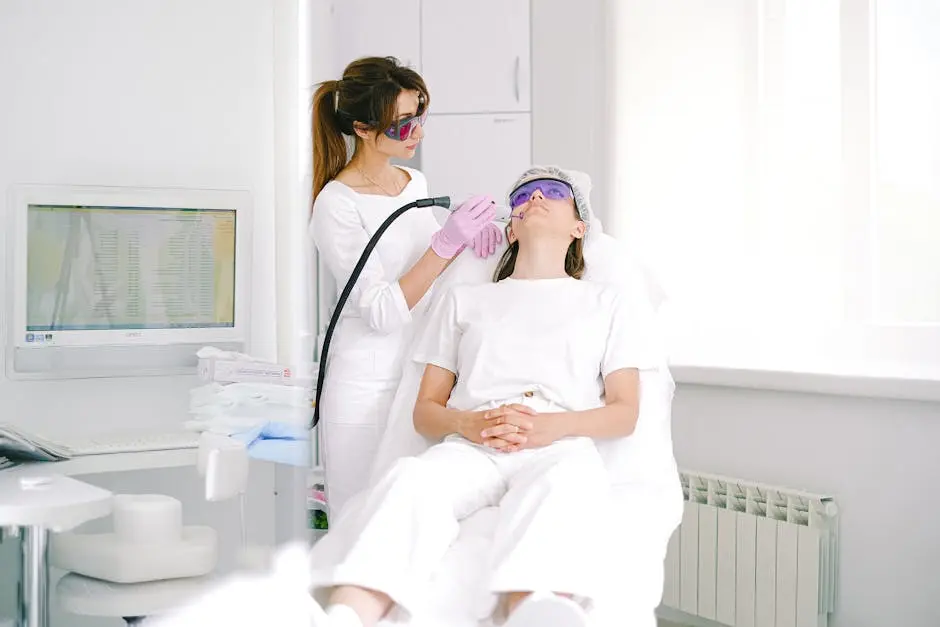
1. How Does Laser Scar Removal Work?
Laser scar removal utilizes focused light therapy to reduce the appearance of scars. The laser removes scar tissue layer by layer, promoting new skin cell growth and even skin tone. It’s a popular option for treating various types of scars, including acne and surgical scars.
The technology behind laser treatments is fascinating. Different types of lasers are chosen based on the scar’s depth and type, allowing for a customized approach. During the procedure, the energy from the laser is absorbed by the pigments in the scar tissue, effectively breaking it down. This stimulates the body’s natural healing processes, encouraging the growth of new, healthy skin cells. With sustained treatment sessions, patients can see significant improvements in scar appearance and skin smoothness.
A personalized treatment plan is essential for achieving the best results. The sessions are tailored according to the individual’s skin type, age, and the specific characteristics of the scars. Such tailored care not only optimizes outcomes but also enhances safety and comfort during the process.
2. Is Laser Scar Removal Painful?
Most patients report minimal discomfort during the procedure. It often feels like a rubber band snapping against the skin. To make it more comfortable, numbing cream is typically applied to the area being treated.
Interestingly, the pain perception can vary between individuals. Some patients even describe the sensation as more of a mild tingling rather than pain. This variation is often due to the differences in skin sensitivity and the targeted area. Communicating your comfort levels with the practitioner is crucial, as they can make necessary adjustments to enhance your experience.
It’s important to remember that every skin reacts uniquely. Post-treatment, you might experience sensations akin to a mild sunburn, but these usually subside quickly. Your practitioner will offer guidance for managing any discomfort, ensuring a smoother recovery experience.
3. Are There Any Side Effects?
After the procedure, some redness, swelling, or itching may occur. These side effects are generally temporary and will subside in a few days. Your practitioner will provide aftercare instructions to help manage any discomfort.
Aside from these common reactions, your skin might become slightly dry or peel. This is a normal part of the skin’s healing process. Applying a gentle moisturizer can alleviate these symptoms, promoting a more comfortable healing period. It’s also recommended to avoid direct sun exposure post-treatment to prevent any potential complications.
In rare cases, more pronounced side effects like blistering or changes in skin pigmentation may occur, particularly if the post-treatment guidelines are not followed properly. This is why it’s crucial to have a consultation with a professional to discuss your unique skin profile and potential risks.
4. How Long Does Each Session Last?
A typical laser scar removal session can last anywhere from fifteen minutes to an hour, depending on the size and number of scars being treated. Your specialist will give you a better timeframe during your consultation.
It’s interesting how time can vary with each session, largely depending on the extent of the area targeted. Smaller scars or fewer affected areas will naturally take less time than larger, more complex cases. Patients are encouraged to use this time to ask questions or voice concerns, making the most of their appointment for both treatment and learning.
During the session, a calm and soothing environment is often maintained to make the experience comfortable. Your specialist might apply protective measures to shield surrounding skin areas from the laser, optimizing the effectiveness of the session and ensuring safety throughout. This careful approach increases confidence, knowing you are in safe hands.
5. How Many Sessions Are Usually Required?
The number of sessions varies based on the individual and scar specifics. Most people require between three to six sessions spaced a few weeks apart for optimal results. Consistency and following your specialist’s advice play key roles in the effectiveness of the treatment.
Interestingly, factors like the age of the scar, its depth, and even skin type can influence the number of treatments. Older or deeper scars might necessitate additional sessions compared to newer, more superficial ones. Therefore, patience and adherence to scheduled appointments are paramount in achieving the desired results.
A great way to ensure success is to follow all recommended care protocols. This not only enhances the efficacy of each session but optimizes the overall treatment outcome, culminating in a rejuvenated skin appearance.
6. Can All Skin Types Undergo Laser Scar Removal?
Advancements in technology have made laser treatments safe for many skin types. However, it’s crucial to consult with a licensed practitioner who understands specific needs and can personalize treatment accordingly.
It’s fascinating how modern laser technology distinguishes between different skin textures and tones, ensuring that nearly everyone can benefit from this treatment. Hyper-pigmentation risks, which were common with older technologies, have been largely minimized, allowing more people to explore the option of laser scar removal safely.
The individual’s skin characteristics will dictate the settings used on the laser equipment. Practitioners can select specific wavelengths and intensities tailored to effectively target scars while minimizing risk to healthy skin. This approach provides reassurance, encouraging confidence as you embark on your treatment journey.
7. What Should I Look For in a Practitioner?
When choosing a practitioner, ensure they are certified and experienced in laser treatments for scars. Reviews and recommendations from past clients can also provide insights into the practitioner’s competence and patient satisfaction.
It’s essential to ask about the practitioner’s credentials and their experience with specific laser technologies. A practitioner well-versed in a variety of laser systems is more likely to offer a comprehensive treatment plan tailored to your needs. Before committing, consider scheduling a consultation session to gauge their expertise and approach.
Another useful tip is to observe the clinic’s environment during your visit. A place that prioritizes cleanliness, professional equipment, and a welcoming atmosphere typically reflects the standards of care you can expect to receive. Transparency about potential outcomes and dedicated aftercare support are further markers of a reliable practitioner.
8. What Results Can I Expect After Treatment?
Results vary according to the severity of your scars and how your skin responds to the treatment. Generally, patients notice noticeable scar reduction, smoother skin texture, and improved skin tone over time. Patience and following post-treatment care are vital for achieving the best outcomes.
The incremental changes during each session build toward a dramatic transformation. Initial improvements can be subtle – a lightening of scar coloration or a reduction in size, yet with each session, the skin continues to heal and regenerate. The final results generally reveal themselves weeks after completing all sessions, showcasing the skin’s rejuvenated appearance.
Celebrating small improvements is encouraged, as every step gets you closer to the goal of improved skin clarity. Remain realistic about results, understanding that significant changes may take time but are achievable with diligent aftercare and maintenance.