
Laser hair removal has gained popularity as an effective way to reduce unwanted hair growth. However, concerns about its safety for all skin types often arise. In this blog, we’ll tackle the key questions to help you understand if laser hair removal is suitable for your skin type.
Understanding How Laser Hair Removal Works
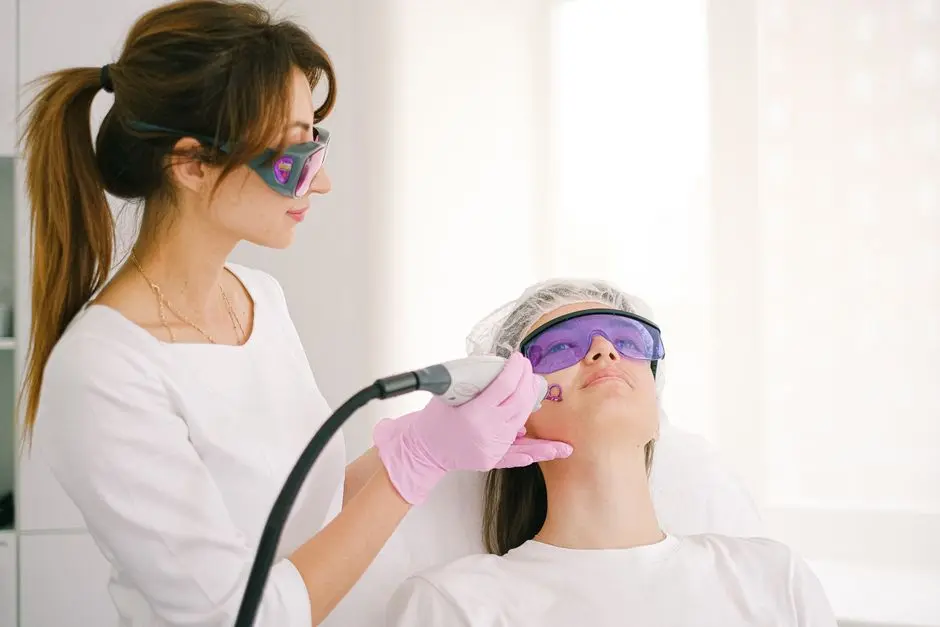
Laser hair removal works by targeting the pigment in hair follicles, effectively reducing hair growth over time. This process requires careful consideration of the interplay between laser settings and skin type. Using a specific light wavelength, the laser can damage the follicle, slowing down hair growth. The melanin, or pigment, in the hair absorbs the light, which is why individuals with darker hair and lighter skin often see the best results.
While it sounds complex, the procedure is quite simple and straightforward. The laser targets the roots beneath your skin’s surface, a feature traditional hair removal methods such as shaving cannot achieve. This focus on the root of the problem makes laser hair removal a preferred method for those seeking long-term solutions.
Why Skin Type Matters in Laser Hair Removal
Different skin types react differently to laser treatments. It’s essential to understand your skin type and how it might influence the safety and effectiveness of the procedure. Laser hair removal’s success and safety strongly depend on the contrast between skin and hair color. Those with lighter skin tones generally experience fewer side effects given the current technology, while individuals with darker skin tones may require a laser that accommodates their specific needs.
Melanin plays a crucial role in how laser hair removal works, acting as the target for laser energy. This makes knowing your skin type vital, as it dictates the specific needs of your laser treatment. For instance, for darker skin types, specific lasers like Nd:YAG may be needed because they can bypass the skin’s melanin, focusing directly on the hair follicle instead.
Understanding Fitzpatrick scale categories can also help in identifying how your skin might react to laser treatments. This scale classifies skin types based on their reaction to ultraviolet light, ranging from very fair (Type I) to deeply pigmented (Type VI) skin. This classification is useful in determining potential risks and benefits of laser hair removal for various skin tones.
Identifying the Right Laser for Your Skin Type
There are various laser technologies available, each designed to accommodate different skin types. Learning about the type of laser suitable for your skin can help ensure a safer experience. One of the most common lasers used for hair removal is the Alexandrite laser, which is effective for people with light to olive skin types.
For darker skin types, the Nd:YAG laser is often the preferred choice. It has a longer wavelength, allowing it to bypass the skin’s melanin and target the hair follicle directly without causing excess heat to the skin surface. Another option for various skin types is the diode laser, which can be adjusted and is versatile enough to treat a broader spectrum of skin colors safely.
Choosing the right laser also depends on the area of treatment and hair thickness. Consulting with a professional can help determine not only the best laser for your skin type but also tailor the laser settings such as energy level, pulse duration, and spot size for optimal safety and efficacy.
Consulting with a Qualified Professional
Before undergoing laser hair removal, consulting with an experienced practitioner is vital. They can evaluate your skin type and hair characteristics to recommend the best approach. A professional will consider your skin tone, hair color, texture, and the specific area to be treated.
During the consultation, it’s important to discuss your medical history and any skin treatments you are undergoing. This ensures that any potential skin reactions or contra-indications, such as certain medications that increase sensitivity to light, are identified early on.
At Adorn Medspa, our experienced team offers personalized consultations to help determine the most effective treatment plan for your unique skin needs. The knowledge and expertise offered here can help guide you towards a safer and more satisfying experience.
Importance of a Patch Test
A patch test helps assess how your skin responds to the laser. This step can prevent potential adverse reactions and tailor the treatment plan to your specific needs. It usually involves a small area of skin being treated to monitor any reactions such as redness, irritation, or pigment changes.
Conducting a patch test provides peace of mind and is an indication of professionalism from your practitioner, ensuring that your laser hair removal process is both safe and effective. During the patch test, the practitioner will also evaluate how to adjust laser settings to achieve optimal results for your skin type.
Moreover, a patch test is not only limited to assessing skin reactions but can also provide insight into the expected efficacy of the treatment on your particular hair type. This ensures that when it comes to the full procedure, both you and the practitioner have a clear understanding of expectations and desired outcomes.
Final Thoughts: Ensuring Safety in Laser Hair Removal
Laser hair removal can be a safe and effective option for many people, regardless of their skin type. However, consulting with a qualified professional and conducting a patch test before full treatment are crucial steps to minimize risk and achieve desired results. Visit Adorn Medspa’s homepage to learn more about how we can help determine the best treatment plan for you.