
Laser hair removal is a popular method for achieving smooth, hair-free skin, but there are many misconceptions surrounding it. Let’s debunk some common myths and uncover the truth about this modern beauty technique.
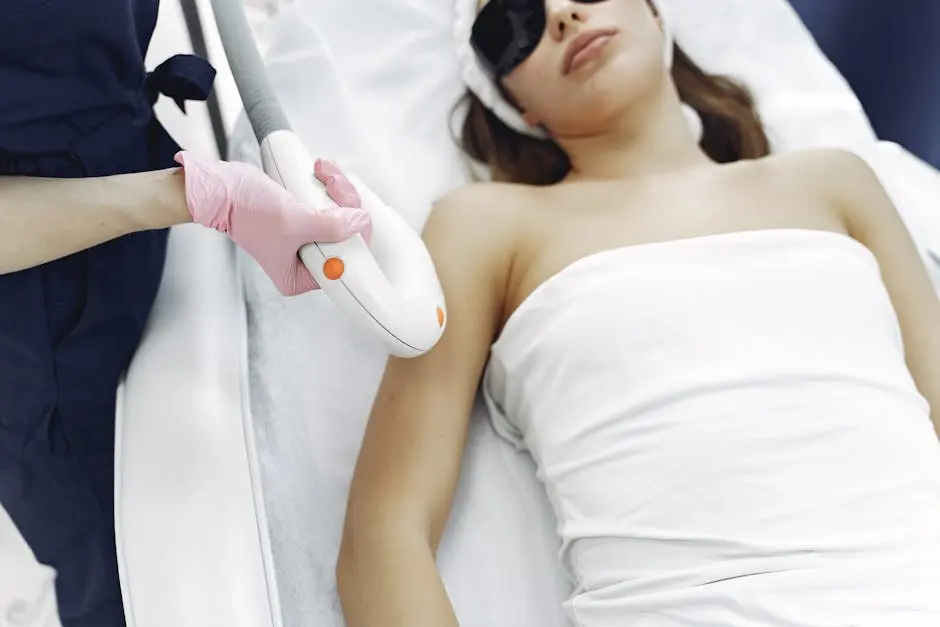
1. Pain Factor Exaggeration
Many people believe laser hair removal is extremely painful. However, most describe the sensation as mild discomfort or irritation, rather than pain, thanks to modern technology and cooling techniques used during the procedure.
The idea of pain often deters individuals from even considering laser treatments. Interestingly, advancements such as dynamic cooling devices and topical anesthetics have further minimized discomfort. Those who have undergone the procedure often equate it to the snap of a rubber band against the skin. This perception of pain is largely subjective and depends on personal pain thresholds. Yet, for most, the benefits of prolonged hair reduction far outweigh any brief discomfort sensations experienced during the session.
2. Not Just for Women
Another misconception is that laser hair removal is only for women. Men also seek out this treatment for areas like the back, chest, and face, proving it’s a versatile solution for everyone.
Men increasingly turn to laser hair removal to manage excessive body hair, enhance their grooming routine, or address specific issues like ingrown hairs. The procedure facilitates a clean, smooth look that many men find difficult to achieve with traditional shaving. It’s also a preferred option for men looking to define beards or eliminate unwanted neck hair. The rising popularity among men highlights the treatment’s universal benefits, proving that laser hair removal transcends gender barriers to deliver effective results for all users.
3. Laser Hair Removal is Permanent
While laser treatment significantly reduces hair growth, it isn’t always permanent. Some hair may eventually grow back, though often it is finer and less dense.
The permanence of laser hair removal largely depends on hormonal changes and hair type, factors that can cause varied results among individuals. Commonly, the treated area experiences a substantial reduction in hair density and growth speed. Touch-up sessions might be necessary to maintain results, especially if new hair growth is prompted by hormonal fluctuations. It’s important to distinguish between long-lasting reductions and true permanence, as results can vary based on these biological factors and individual treatment responses.
4. Not Suitable for All Skin Tones
The myth that only fair skin tones can benefit from laser hair removal is outdated. Modern lasers accommodate various skin tones, but it’s important to consult with a professional to ensure the best approach.
Laser technology has seen significant advancements designed to ensure safety and efficacy across a range of skin tones. Specific lasers, like the Nd:YAG laser, are known to be effective for darker skin tones by targeting the deeper layers of the skin without affecting its pigment. Comprehensive consultations with skincare professionals can help tailor the approach to match individual skin types, minimizing any potential for skin damage and optimizing treatment outcomes.
5. Immediate Results Expected
Patience is key with laser hair removal. After a session, hair gradually sheds over a few weeks, with optimal results typically seen after a series of treatments.
Expecting instant hairlessness can lead to dissatisfaction. Typically, laser hair removal operates over several sessions due to the growth cycle of hair. Hair in its active phase—called anagen—is most responsive to the laser. Since not all hair is in this phase simultaneously, spreading treatments across weeks ensures comprehensive coverage. Patience and persistence through these intervals lead to gradual but noticeable improvements, often discouraging quick fixes or expectations of overnight transformations.
6. All Lasers Are the Same
There are different types of lasers designed for various hair and skin types. Consulting with experienced practitioners ensures the correct laser is used for your specific needs.
The phrase ‘one size fits all’ doesn’t apply to lasers. For instance, the Alexandrite laser is effective for light to olive skin tones, while Diode lasers suit a broader range. Skincare professionals play a crucial role in determining the best fit for an individual’s skin and hair characteristics, maximizing the effectiveness of each session. A tailored laser choice highlights the importance of personalized treatment plans, which accommodate diverse client profiles and desired outcomes.
7. Inaccessible During Pregnancy
While doctors might advise caution, there’s no concrete evidence that laser hair removal is unsafe during pregnancy. Often, it’s about erring on the side of caution.
The general recommendation to forgo laser treatments during pregnancy stems from a lack of research, not proven harm. Hormonal changes during pregnancy might alter treatment outcomes. However, many practitioners prefer avoiding any potential risks and suggest postponing treatments until after childbirth. While personal comfort and professional advice must guide decisions, pregnant individuals often choose safety as a priority.
8. Suitable for All Hair Colors
Lasers target pigment in hair, which means blonde, grey, or red hairs can be challenging to treat. Developments continue, but current lasers are most effective on dark hair.
This limitation arises because laser technology relies on the pigment in hair to absorb light. Light-colored hair lacks enough pigment for effective treatment with traditional lasers. Some newer technologies and experimental options aim to overcome these barriers but remain in developmental phases. Until solutions are optimized and widely available, consultations focus on setting realistic expectations based on hair color variability, leading to personalized and informed treatment strategies.
9. DIY Kits Offer the Same Results
Home laser kits do not replicate professional results. While convenient, professional-grade lasers at clinics provide more effective and longer-lasting outcomes.
Home kits generally operate at lower intensities, prioritizing safety over efficacy. Professional treatments, delivered by experienced practitioners, use advanced technology and customizable lasers for different skin and hair types, enhancing the effectiveness of each session. DIY kits appeal for convenience, but the trade-off often lies in limited results and the need for frequent touch-ups. Comparing both options underscores professional services’ value when optimal results and longevity of hair reduction are desired.
10. One-Time Treatment is Enough
Laser hair removal works through multiple sessions targeting different growth phases, meaning one treatment will not suffice for complete hair removal.
One-time treatments fall short due to the cyclical nature of hair growth. Multiple sessions ensure coverage of hair in various growth phases, crucial for achieving significant reduction over time. Furthermore, dermatologists tailor the number of sessions based on individual needs and areas treated, optimizing results through persistent application rather than one-off procedures. Demonstrating long-term benefits over short-lived solutions strengthens the case for committing to a complete treatment plan.
11. Results Are Immediate
While some may expect instant results, hair shedding occurs over weeks after treatment, with improvements becoming apparent after multiple sessions.
The process of laser hair removal involves patience as visible results tend to emerge only after several weeks. Initial sessions may show subtle changes, with the most noticeable improvements following the completion of all recommended treatments. This gradual progression allows for the adaptation and adjustment according to the provided outcomes. The timeline underscores the necessity for clients to align expectations with the biological process involved in laser treatments, solidifying satisfaction through understanding.
12. Laser Hair Removal Causes Scars
With modern technology and skilled practitioners, laser hair removal is safe and unlikely to cause scarring, provided post-care instructions are followed correctly.
Scarring remains a rare occurrence with today’s advanced techniques. Ensuring a professional and certified technician conducts the procedure significantly reduces risks. Post-treatment guidelines, such as avoiding sun exposure and maintaining skin hydration, further contribute to smooth recovery. While some might experience mild redness or irritation, these temporary effects resolve quickly. Following advice from practitioners and understanding how to care for treated areas collectively prevent worries regarding potential scars, supporting confidence in the treatment’s safety profile.