
Botox is a term you’ve probably heard countless times, often whispered in the circles of beauty and skincare enthusiasts. But what exactly is Botox, and why has it become a household name? In this blog, we’ll delve into the fascinating science behind Botox, explore how it works, and discuss the reasons behind its widespread popularity.
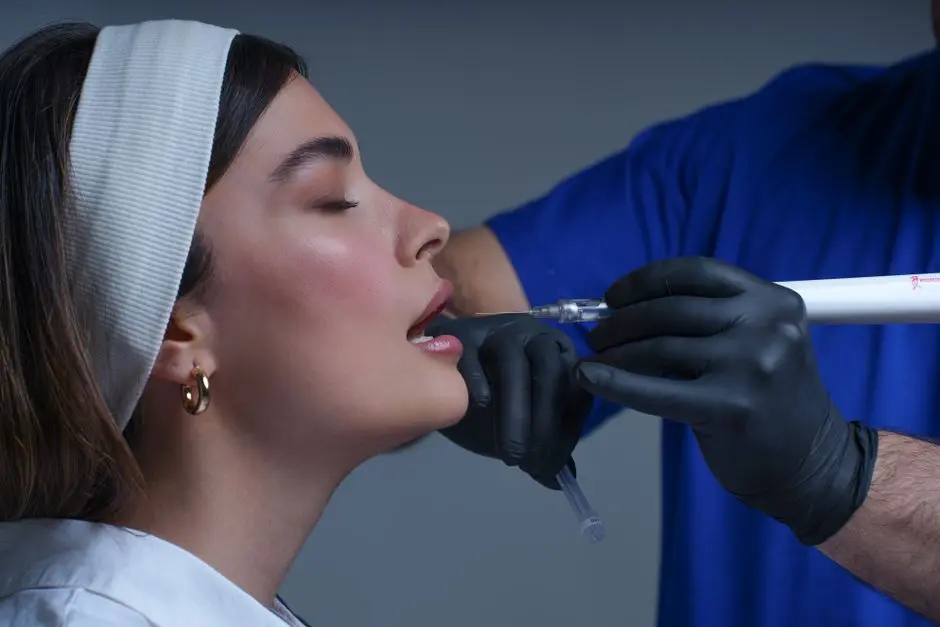
What is Botox and Where Does It Come From?
Botox is derived from the bacterium Clostridium botulinum. Despite its infamous origin as a toxin, in controlled doses, it serves as a powerful tool in the world of cosmetic dermatology. This bacterium naturally occurs in soil, plants, and even the intestinal tracts of certain animals. When used in the right manner, it blocks nerve activity in the muscles, which in turn reduces muscle activity and smoothens out the skin. It’s fascinating how something initially dangerous has transformed into a cornerstone of beauty and medical treatments.
The historical journey of Botox is quite intriguing. The compound was first identified during an outbreak of botulism, a rare but fatal illness. Researchers discovered that the botulinum toxin, when refined, could be used to treat overactive muscle conditions. This discovery laid the groundwork for Botox’s entry into cosmetic and medical therapies. As scientific advancements continued, it wasn’t long before the aesthetic world began to embrace it for its age-defying abilities.
Understanding its origin helps appreciate why Botox requires careful handling and skilled administration. While its beginnings are rooted in a toxin, the controlled and refined form used in clinics today is safe when professionally administered. The leap from toxin to treatment underscores the remarkable strides in medical science, allowing us to harness nature’s potent elements for human benefits.
How Botox Works: The Science Unveiled
The science behind Botox is both complex and fascinating. Fundamentally, its magic lies in its ability to temporarily block the signals between the nerves and muscles. By doing so, Botox prevents the muscle contractions that lead to wrinkles, particularly the dynamic lines we get from facial expressions, such as frown or smile lines. Once injected, the botulinum toxin attaches to the nerve endings. After engrossing itself in the nerve cells, it ultimately halts the release of acetylcholine, a neurotransmitter crucial for muscle contraction.
Scientifically speaking, this process is what allows Botox to be effective in correcting not just fine lines but also medical conditions involving muscle hyperactivity. The applications in medical settings are remarkable. In addition to reducing facial wrinkles, it is used to alleviate medical symptoms caused by muscle stiffness and spasms. This dual ability to enhance beauty while treating medical conditions through the same mechanism highlights the versatility and importance of Botox in modern medicine.
Understanding how Botox works goes beyond beauty treatments; it opens a window into groundbreaking medical therapies. Patients suffering from migraines or excessive sweating have found relief using Botox treatments. This shows the wide-reaching impacts of neurotoxins and how their application in medicine continues to evolve, making Botox a staple in both cosmetic and health settings.
Clinical Uses Beyond Beauty
While Botox is synonymous with aesthetic treatments, it has garnered recognition in the medical world for its therapeutic applications. One key area is in the treatment of chronic migraines. For those enduring migraines, Botox offers a reprieve by blocking the release of chemicals involved in pain transmission. This application underscores the expansive potential of Botox beyond wrinkle reduction.
The use of Botox also extends into the management of hyperhidrosis, or excessive sweating. This condition, impacting numerous people worldwide, can be effectively treated with Botox injections. The treatment works by blocking the nerves that stimulate sweat glands, significantly reducing perspiration. This versatility showcases Botox as more than a beauty enhancer but as a beneficial medical intervention.
Muscle spasms, particularly those affecting the neck and shoulders, can also be alleviated through Botox. This application is life-changing for patients dealing with conditions such as cervical dystonia, where muscle contractions lead to uncomfortable positions of the head and neck. With Botox, muscle stiffness is reduced, offering relief and improving the quality of daily life for many.
The Popularity of Botox: A Cultural Phenomenon
Over the years, Botox has transcended its clinical origins to become a cultural icon in beauty and anti-aging treatments. Its appeal lies in its ability to provide effective, rapid results without the invasiveness of surgery. For those seeking a quick fix with minimal recovery time, Botox is the go-to solution. It’s no surprise that Botox parties and pop-up clinics have become part of the social landscape, offering gatherings akin to spa days but with the bonus of cosmetic rejuvenation.
This widespread acceptance is driven by celebrity endorsements and the media, which have played pivotal roles in normalizing Botox. The endorsement by influential figures contributes substantially to its allure, presenting it as the secret ingredient to a youthful appearance. Furthermore, its affordability relative to surgical options further cements its status as a popular choice among diverse demographics.
Botox’s cultural significance can’t be overstated. As societies place higher value on maintaining youthful appearances longer, Botox serves a pivotal role in meeting this demand. Its inclusion in popular dialogues about beauty routines accentuates its place as not just a medical treatment, but as an essential beauty ritual embraced by millions around the globe.
Risks and Considerations: What You Need to Know
Like any medical treatment, Botox does not come without its risks and considerations. The most common side effects are minimal, including swelling or bruising at the injection site. However, more serious complications can arise if improperly administered. This is why it is crucial to consult with a qualified and experienced practitioner. The precision required in the injection process means that even a small error could lead to asymmetrical results or unintended muscle weakness.
Another critical consideration is understanding the temporary nature of Botox. While the effects are not permanent, this also means ongoing treatments are necessary to maintain the desired aesthetic. Patients should weigh the time and financial commitments required before proceeding with regular treatments. Ultimately, informed decisions made in consultation with healthcare providers ensure Botox treatments are both safe and satisfactory.
It’s also worth noting that not everyone is a candidate for Botox. Those with certain pre-existing conditions or allergies should refrain from receiving treatments. Additionally, pregnant or breastfeeding individuals are generally advised against using Botox. A thorough pre-treatment evaluation and discussion of medical history with a healthcare provider are pivotal in ensuring this procedure is safe and appropriate for every individual considering it.
Wrapping Up the Wonders of Botox
In a world where appearance can significantly impact self-esteem, Botox offers a scientific and effective solution that is both popular and accessible. Its ability to transform and rejuvenate with minimal downtime is why it continues to be favored by many. As with any cosmetic treatment, it’s vital to consult with professionals and thoroughly understand the process and implications before proceeding.